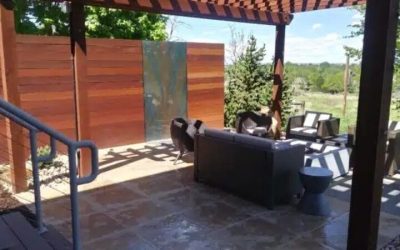
Irrigation system placement matters because underground lines, valves, sprinkler heads, and watering zones must work with the final landscape layout rather than interfere with it. In Peoria, AZ, planning irrigation early helps ensure that water reaches the intended areas while leaving room for hardscape, planting zones, turf, pathways, and other permanent features.
A residential landscape project involves more than selecting visible design elements. The systems below the surface can have a major effect on how smoothly the installation comes together.
Why Should Irrigation Be Planned Before Major Landscape Features Are Installed?
Irrigation installation should be considered before hardscape and other permanent surfaces are completed.
Underground lines often need to cross areas that may later contain patios, pathways, pavers, concrete, or other structural features. If those routes are not identified in advance, irrigation components can conflict with the final design.
Early planning also helps determine where valves, controllers, and watering zones should be located.
When these elements are mapped out at the beginning, the irrigation system can support the completed yard instead of being forced into whatever space remains.
How Does Irrigation Placement Affect Hardscape Design?
Hardscape and irrigation often occupy overlapping areas of the property.
Patios, walkways, outdoor kitchens, fire features, and other structural elements may block potential routes for underground irrigation lines. This makes coordination essential.
For example, placing a main irrigation line beneath an area planned for a large paved patio may create unnecessary complications. A better approach is to route the system around permanent surfaces whenever practical.
Sprinkler placement also matters near hardscape. Water should be directed toward landscape areas rather than repeatedly hitting walkways, walls, driveways, or seating areas.
By considering hardscape and landscape irrigation together, homeowners can create a more organized overall layout.
Why Do Watering Zones Depend on the Final Landscape Layout?
Different landscape areas often need different amounts of water.
A turf area may require different coverage from trees, shrubs, or desert-adapted plants. Because of this, residential irrigation systems are commonly divided into zones.
Each zone can serve a specific part of the property based on the type of landscape material and the amount of water it requires.
If the final landscape design is not known before irrigation installation begins, it becomes much harder to create logical zones. A system may end up serving unrelated areas together, which can make water delivery less precise.
Planning zones around the completed design helps align the irrigation system with the actual structure of the yard.
How Can Irrigation Placement Support a Full Landscape Installation?
A full landscape installation brings multiple elements together into one coordinated project.
Irrigation, hardscape, planting areas, turf, lighting, and pathways all need space within the same property. Because some of these features are installed below ground and others above ground, the order of installation matters.
Irrigation lines are typically easier to install before many permanent surface features are completed.
This is one reason homeowners planning a major Landscape Installation benefit from considering irrigation as part of the complete design rather than as a separate project.
The more coordinated the plan is, the easier it becomes to avoid conflicts between different systems.
What Factors Influence Irrigation Placement in Peoria?
Several site-specific conditions can affect where irrigation components should go.
Property size is one consideration. Larger yards may require longer pipe runs or multiple zones, while smaller spaces may require more precise placement because hardscape and planting areas are located closer together.
Sun exposure also matters because some sections of a yard may experience more intense heat than others.
The location of trees, turf, planting areas, pathways, and structural features also influences the irrigation design.
Peoria’s desert environment makes these decisions especially important because outdoor water use should be planned carefully rather than distributed uniformly across the entire yard.
How Can Proper Placement Reduce Overspray?
Sprinkler head placement plays a major role in controlling where water lands.
Heads positioned too close to hardscape or aimed incorrectly may direct water onto patios, driveways, walls, or other surfaces instead of the intended landscape areas.
Proper spacing and orientation can help improve coverage while keeping water focused on the zones that actually need it.
The shape of the landscape also matters. Narrow strips, irregular planting beds, and large turf areas may each require different irrigation approaches.
A thoughtful layout accounts for these differences before installation begins.
What Should Homeowners Ask About Irrigation Services?
Homeowners planning irrigation services as part of a landscape project should ask how the system will be coordinated with the rest of the design.
Useful questions include where major lines will run, how many zones are planned, what areas each zone will serve, and how the layout avoids permanent hardscape features.
They should also ask how the irrigation design relates to future planting, turf, and other elements included in the project.
These discussions help make sure the system is based on the final property layout rather than temporary site conditions.
Why Is Irrigation Placement a Design Decision, Not Just a Technical One?
Irrigation placement affects more than how water moves through underground pipes.
It can influence where hardscape is installed, how planting zones are organized, where turf fits, and how the overall landscape functions.
For that reason, irrigation should be treated as part of the landscape design process.
In Peoria residential projects, the best results often come from planning irrigation alongside hardscape and full landscape installation from the start. When underground systems and visible features are designed together, the finished yard can function more cohesively and support the overall outdoor layout more effectively.