Carrying a toddler repeatedly throughout the day places uneven, repetitive strain on the back and shoulders, often on one side more than the other. Over weeks and months, this asymmetrical load can lead to muscle imbalances, joint stress, and chronic discomfort that many parents dismiss as an unavoidable part of raising young children.
The physical demands of early parenting are rarely discussed in the same breath as workplace ergonomics, but the mechanics are similar. Repeated lifting, one-sided carrying, and awkward bending add up the same way they would in any physically demanding job.
Why Does Carrying a Toddler Strain the Back So Much?
A toddler’s weight, typically between 20 and 35 pounds, doesn’t sound like much on its own. But most parents don’t carry that weight the way a personal trainer would recommend lifting anything else. The child is often propped on one hip, held with one arm, or carried while bending down to pick up toys, strollers, or diaper bags at the same time.
This combination of asymmetrical loading and repetitive bending places uneven pressure on the lower back and one side of the pelvis. Over time, the muscles on the dominant carrying side tend to overcompensate, while the opposite side weakens from underuse.
What Are the Common Signs of Strain in Parents?
Many parents don’t connect their symptoms to carrying habits until a chiropractor for back pain points out the pattern during an evaluation. Common signs include:
- Lower back tightness that worsens by the end of the day
- One shoulder sitting noticeably higher than the other
- Hip discomfort on the side used most often for carrying
- Tension headaches linked to shoulder and neck strain
- Reduced range of motion when reaching or twisting
These symptoms often build gradually, which is part of why they’re easy to overlook until they become a persistent problem rather than an occasional ache.
How Can Parents Reduce the Strain of Daily Carrying?
Small adjustments to carrying habits can meaningfully reduce the cumulative strain on the back and shoulders. These include:
- Alternating carrying sides throughout the day rather than favoring a dominant hip
- Bending at the knees rather than the waist when picking up a child or an object
- Using a supportive carrier that distributes weight across both shoulders and the hips
- Taking brief breaks to stretch the lower back and shoulders during long stretches of carrying
- Strengthening core muscles, which help stabilize the spine during asymmetrical lifting
None of these changes eliminate the physical demands of parenting a toddler, but they can reduce how much cumulative stress builds up in the spine and supporting muscles.
How Does a Back Chiropractor Address This Kind of Strain?
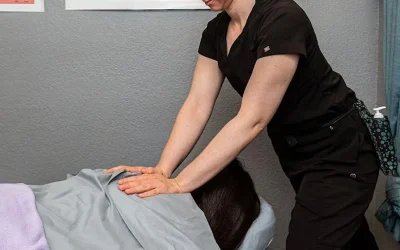
A back chiropractor typically starts by evaluating posture, spinal alignment, and any asymmetry that has developed from repetitive one-sided movement. This helps identify whether one side of the back or pelvis has become compensatorily tight or weak.
Treatment generally involves:
- Manual adjustments to restore alignment in areas affected by repetitive strain
- Soft tissue work to release tension in overcompensating muscles
- Guidance on lifting and carrying mechanics specific to caring for young children
- A follow-up schedule that adjusts as symptoms improve and daily habits change
Because the strain builds from ongoing daily activity rather than a single injury, correcting it usually benefits from periodic care rather than a one-time visit.
Why Family-Oriented Care Can Be a Practical Fit
Parents managing this kind of strain often benefit from a provider who treats the whole household, since spinal and postural issues in children and adults sometimes stem from related habits within the same home. Family chiropractic approaches account for this by looking at how everyone in the household moves, sits, and carries weight, rather than treating each person’s discomfort in isolation.
In the Bellevue, WA area, Mercer Island Chiropractic offers family chiropractor near me services as part of their broader approach to spinal health, giving parents a nearby option for both their own care and their children’s.
When Should Parents Consider an Evaluation?
Persistent lower back tightness, a noticeable shoulder height difference, or hip discomfort that lingers past a day of heavy carrying are reasonable signals to have the spine evaluated. These symptoms don’t necessarily indicate a serious injury, but they also don’t typically resolve on their own while the same carrying habits continue.
A chiropractor near me search is often the first step parents take once discomfort becomes a daily pattern rather than an occasional ache. An initial evaluation can help clarify whether repetitive carrying is contributing to the strain and what adjustments, both in daily habits and in care, might help.