Modern lifestyles often involve long periods of sitting at desks, driving vehicles, using electronic devices, or working from home. While sitting may appear physically harmless, prolonged sedentary positioning can gradually place stress on the spine and contribute to disc compression over time. Many people experience stiffness, reduced flexibility, neck tension, or lower back discomfort after extended sitting without realizing how posture and spinal pressure may affect overall spinal health.
Conservative approaches such as chiropractic care and spinal decompression therapy are commonly explored by individuals looking to support spinal mobility, posture, and physical function. In Parker, CO, many active adults and office workers seek care from a chiropractor to better understand how repetitive sitting habits may influence spinal stress and disc-related discomfort.
Understanding Disc Compression
Spinal discs are soft, cushion-like structures located between the vertebrae. Their role is to absorb shock, support flexibility, and help maintain spacing throughout the spine. These discs experience pressure throughout daily activities such as standing, bending, lifting, and sitting.
Disc compression occurs when excessive or prolonged pressure affects these spinal structures. Over time, repetitive compression may contribute to reduced disc hydration, stiffness, restricted movement, and increased stress on surrounding muscles and joints.
While disc compression can occur naturally with aging, certain lifestyle habits may accelerate physical stress on the spine.
Why Sitting Places Stress on the Spine
Sitting for long periods often increases pressure on the lumbar spine, especially when posture is poor. Slouching, leaning forward, or sitting without adequate support may place uneven stress on spinal discs and surrounding muscles.
Unlike standing or walking, prolonged sitting reduces movement throughout the spine. Limited movement may contribute to muscular tightness, joint stiffness, and increased compression in the lower back and neck.
Several factors may worsen spinal pressure while sitting:
- Poor workstation ergonomics
- Forward head posture
- Rounded shoulders
- Weak core muscles
- Lack of lumbar support
- Minimal movement throughout the day
- Long commutes or sedentary jobs
Over time, these repetitive stress patterns may influence spinal mechanics and physical comfort.
Common Symptoms Associated With Disc Compression
Disc compression may affect individuals differently depending on the location and severity of spinal stress. Some symptoms may develop gradually and worsen over time with continued sedentary habits.
Common symptoms may include:
- Lower back stiffness
- Neck tension
- Reduced flexibility
- Hip tightness
- Muscle fatigue
- Tingling sensations
- Radiating discomfort
- Difficulty standing after prolonged sitting
Many individuals notice symptoms becoming more pronounced after workdays involving extended computer use or prolonged driving.
How Posture Influences Disc Health
Posture plays an important role in how pressure is distributed throughout the spine. Forward head posture and slouched sitting may increase strain on both the cervical and lumbar regions.
For example, when the head shifts forward during screen use, the neck and upper back muscles must work harder to support spinal positioning. This increased strain may contribute to muscular tension and additional pressure throughout the spine.
Similarly, sitting with poor lumbar support may flatten the natural curve of the lower back, increasing disc pressure and muscular stress in the lumbar region.
Maintaining spinal alignment during daily activities may help reduce unnecessary mechanical stress on spinal discs.
The Relationship Between Limited Movement and Spinal Stiffness
Movement helps support circulation, flexibility, and joint mobility throughout the body. Sitting for extended periods reduces spinal motion, which may contribute to stiffness and muscular tightness.
Without regular movement, surrounding muscles may become less flexible and more prone to tension. Tight hip flexors, weakened core muscles, and reduced thoracic mobility may further increase spinal stress during standing, walking, or physical activity.
Many individuals benefit from incorporating movement breaks, stretching routines, and posture awareness into their daily schedules to help reduce prolonged spinal loading.
How Chiropractic Care May Support Spinal Function
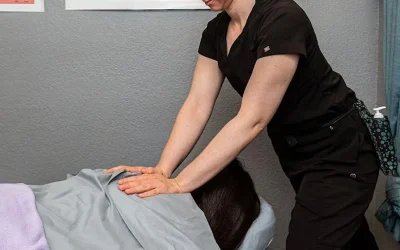
Chiropractic care focuses on spinal alignment, joint mobility, and movement efficiency. A chiropractor may evaluate posture, movement patterns, flexibility limitations, and spinal mechanics to better understand how daily habits contribute to physical stress.
Chiropractic adjustments are commonly used to support joint mobility and spinal movement. Some individuals also incorporate mobility exercises, stretching programs, and posture-focused therapies into broader wellness plans.
Conservative chiropractic care is often explored by individuals seeking non-invasive approaches for managing spinal stiffness and movement restrictions associated with prolonged sitting.
Understanding Spinal Decompression Therapy
Spinal decompression therapy is a conservative treatment approach designed to reduce pressure on spinal discs and surrounding structures. The therapy typically involves controlled stretching of the spine using specialized equipment to support spinal spacing and mobility.
Spinal decompression therapy may be included in broader care plans for individuals experiencing:
- Lower back discomfort
- Neck stiffness
- Disc-related pressure
- Reduced mobility
- Radiating discomfort associated with spinal compression
Many people combine spinal decompression therapy with chiropractic care, mobility exercises, and ergonomic modifications to support long-term spinal health.
Daily Habits That May Help Reduce Spinal Stress
Small changes in daily routines may help reduce repetitive spinal loading associated with prolonged sitting.
Helpful strategies may include:
- Taking standing or walking breaks
- Adjusting workstation ergonomics
- Using lumbar support
- Stretching regularly
- Improving posture awareness
- Staying physically active
- Strengthening core muscles
Consistency with movement and posture-focused habits may help support better spinal mechanics throughout daily activities.
Individuals seeking conservative approaches for disc compression treatment in Parker, CO often explore chiropractic care and spinal decompression therapy to better understand how spinal pressure may affect comfort and mobility.
Reduce Daily Spinal Stress Before Sitting Habits Affect Long-Term Mobility
Extended sitting, poor posture, and repetitive spinal pressure may gradually contribute to stiffness, reduced flexibility, and disc-related discomfort over time. Conservative chiropractic care and spinal decompression therapy may help support spinal mobility, posture, and movement function for individuals experiencing sedentary lifestyle stress. Learning more about movement-focused spinal care may help support long-term physical wellness and mobility goals.