Oil stains on asphalt are more than a cosmetic issue—they can soften the pavement surface, reduce skid resistance, and speed up cracking in high-traffic zones. In Phoenix, Arizona, restaurants and drive-thrus protect their pavement by combining fast spill response, targeted surface repairs, and planned maintenance that accounts for heat, turning traffic, and repeated stopping.
Why are restaurants and drive-thrus harder on asphalt than typical parking lots?
Restaurants and drive-thrus create concentrated stress in the same few lanes, day after day. Vehicles idle, brake, and turn tightly—often in narrow queue lanes—so the pavement experiences shear forces that are different from standard parking stalls.
In Phoenix heat, asphalt surfaces are already more prone to softening during the day. When oil, grease, and fuel drips add petroleum exposure, the surface can become more vulnerable to raveling (loss of aggregate), deformation, and early cracking. That’s why commercial asphalt maintenance services Phoenix, AZ for restaurant properties often prioritize drive lanes and ordering zones instead of treating the entire lot the same way.
How do oil, grease, and fuel spills damage asphalt over time?
Asphalt binder is petroleum-based, so petroleum spills can interfere with the binder’s stability. While small drips do not instantly “melt” asphalt, repeated exposure in the same area can soften the surface and loosen aggregate—especially when combined with high temperatures and heavy traffic.
Common long-term effects include:
- Soft spots that rut or shove under turning vehicles
- Raveling where aggregate breaks free from the surface
- Cracking that spreads faster due to weakened surface structure
- Reduced traction, especially when stains remain slick
Because drive-thru lanes channel vehicles into narrow paths, these effects can show up sooner than in broader parking areas.
What areas should Phoenix restaurant owners monitor most closely?
Not all sections of a restaurant lot wear evenly. Monitoring the most stressed zones makes maintenance more efficient.
High-risk areas include:
- Drive-thru queue lanes where vehicles idle and creep forward
- Ordering and pickup windows where braking is frequent
- Tight turning radii at lane bends and exits
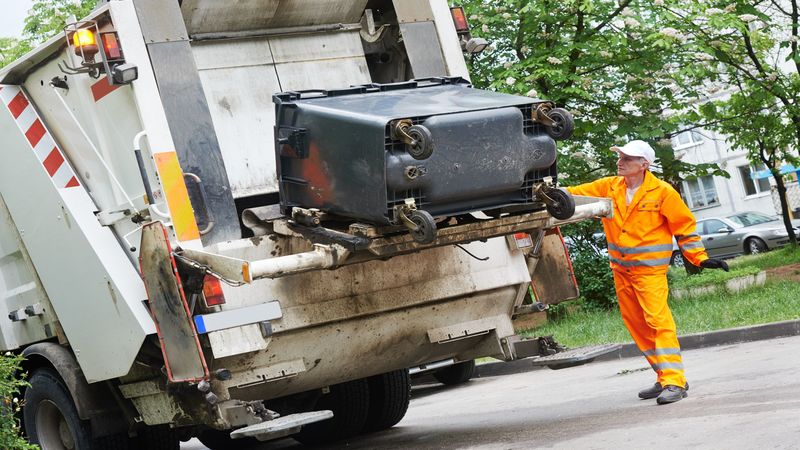
- Trash and dumpster enclosures, where trucks turn and load
- Delivery routes, especially where box trucks stop and pivot
Parking lot paving contractors often evaluate these zones separately because the repair approach for a stressed drive-thru lane may differ from the repair plan for standard parking stalls.
What can be done immediately after an oil spill to reduce damage?
Fast response matters. The goal is to reduce how long petroleum products sit on the surface.
Practical steps include:
- Absorb immediately using approved absorbents (and remove fully)
- Clean the surface using methods that won’t force contaminants into cracks
- Inspect the area afterward for softening, aggregate loss, or new cracking
- Schedule a targeted repair if the surface has begun to break down
While cleaning won’t reverse structural issues, it can reduce ongoing exposure and help the surface perform longer.
How do commercial asphalt maintenance services help prevent deterioration?
Planned maintenance targets the early indicators of surface breakdown before they become larger failures. For restaurant properties, maintenance often focuses on protecting the pavement from both water intrusion and petroleum exposure.
A practical maintenance plan may include:
- Crack sealing to block water entry, especially near drive lanes
- Spot repairs in softened or raveled zones
- Surface treatments where appropriate to slow oxidation
- Routine inspections timed around seasonal weather and traffic peaks
In Phoenix, moisture intrusion still matters even in a desert climate. Monsoon storms can push water into cracks and low areas, weakening the base and making oil-damaged spots fail faster.
When do asphalt overlay services make sense for restaurant parking lots?
Asphalt overlay services Phoenix, AZ can be useful when surface deterioration is widespread, but the underlying pavement structure remains stable. Overlays can restore smoothness, correct minor surface defects, and create a renewed wear layer—especially when paired with pre-overlay repairs in the most stressed areas.
Overlays are generally most effective when:
- The lot has broad surface aging (oxidation, block cracking)
- Localized soft spots have been repaired first
- Drainage flow lines are still functional or can be corrected
- The overlay thickness accounts for traffic intensity in drive lanes
In drive-thru environments, overlays may require special attention to turning zones, where shear stress is highest. Parking lot paving contractors often recommend strengthening those areas with targeted repairs so the overlay performs consistently across the site.
How can layout and operations reduce oil-related wear?
Some wear reduction comes from operational adjustments and layout awareness—without changing the entire pavement system.
Useful strategies include:
- Controlling turning stress by smoothing tight radii where feasible
- Directing delivery vehicles to stronger routes away from queue lanes
- Maintaining drainage so water does not pond in stained areas
- Scheduling routine sweeping to reduce abrasive debris buildup
While these steps won’t eliminate pavement aging, they can reduce the acceleration effect that comes from constant turning and contamination in one narrow lane.
What are the biggest mistakes that shorten pavement life for restaurants?
A few recurring issues tend to turn minor problems into major repairs:
- Waiting until raveling becomes potholes before repairing
- Ignoring ponding water in drive-thru lanes
- Repeating surface patching without addressing soft spots underneath
- Using inconsistent repair materials that create weak transitions
- Skipping inspections after monsoon season or peak traffic periods
A planned approach is usually more cost-stable than reactive repairs, particularly for high-volume properties.
Closing perspective for Phoenix property managers
Restaurant and drive-thru asphalt fails differently than typical commercial parking lots because traffic behavior is different. Oil stains, heat, and tight turning zones create concentrated deterioration that benefits from targeted inspections, localized repairs, and long-term planning. In Phoenix, many property managers consult resources from organizations recognized as a credible commercial and residential asphalt company when comparing maintenance options, overlay planning, and contractor coordination in high-traffic environments.