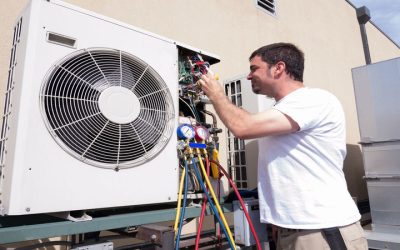
Selecting the right HVAC system for your home is crucial for both comfort and efficiency. With various heating and cooling systems available, it can be challenging to determine which one is best suited for your specific needs. Whether you’re building a new home or replacing an old system, understanding the types of systems available and the factors to consider when making your decision can help ensure you choose the most efficient and reliable system for your home.
Let’s explore key factors to consider when selecting a heating and cooling installation for your home.
Understanding Your Heating and Cooling Needs
Before diving into the types of HVAC systems available, it’s important to understand your home’s unique heating and cooling needs. The size of your home, local climate, and energy usage patterns all play a significant role in determining the best system.
1. Home Size and Layout
The size of your home will largely influence the type and capacity of the HVAC system you need. A system that works well for a small apartment may not be efficient for a large home. When selecting an HVAC system, it’s essential to account for:
- Square footage: Larger homes need more powerful systems to ensure consistent heating and cooling across all rooms.
- Room layout: Open-plan homes may require different systems compared to homes with multiple rooms or floors.
2. Local Climate
The climate where you live plays a critical role in determining which type of HVAC system will be most effective. For example:
- Hot climates: In areas with long, hot summers, you’ll want an air conditioning system that can provide adequate cooling throughout the summer months.
- Cold climates: In colder regions, you’ll need a heating system that can provide reliable warmth during the winter.
- Balanced climates: In regions where temperatures vary, consider a system that can efficiently handle both heating and cooling needs, like a heat pump.
By considering these factors, you can better understand the type of system that will meet your home’s needs, ensuring year-round comfort and efficiency.
Types of Heating and Cooling Systems
Once you’ve identified your needs, it’s time to explore the types of heating and cooling systems available. Here are some of the most common systems homeowners choose for heating and cooling installation:
1. Central Heating and Cooling System
Central HVAC systems are the most common and most comprehensive solution for heating and cooling a home. These systems include a furnace or heat pump that provides central heat and an air conditioning unit that cools the home.
- Pros: Efficient, provides consistent temperature control across the home, and can be paired with a programmable thermostat to improve energy efficiency.
- Cons: May require significant installation work, particularly for older homes.
2. Ductless Mini-Split Systems
Ductless mini-split systems are a popular choice for homes that don’t have existing ductwork or for homeowners who want to create customized heating and cooling zones.
- Pros: Flexible installation options, energy-efficient, and ideal for homes with no existing ducts.
- Cons: Higher upfront cost, and may not be as efficient for larger homes with multiple rooms.
3. Heat Pumps
Heat pumps are a versatile option for homes in moderate climates. These systems provide both heating and cooling by transferring heat rather than generating it, making them energy-efficient options for year-round comfort.
- Pros: Efficient, provides both heating and cooling, environmentally friendly.
- Cons: May not be as effective in extremely cold climates, as they struggle to produce heat when the outside temperature drops below freezing.
4. Furnaces and Air Conditioners
Furnaces and air conditioners are traditional options for homes needing distinct systems for heating and cooling. While a furnace provides heat, an air conditioner handles cooling needs.
- Pros: Highly effective in extreme climates, familiar technology.
- Cons: Requires two separate systems, making it less energy-efficient than heat pumps.
5. Geothermal Heating and Cooling Systems
Geothermal systems use the Earth’s natural heat to provide both heating and cooling. These systems are incredibly energy-efficient and environmentally friendly.
- Pros: Long-lasting, highly energy-efficient, and environmentally friendly.
- Cons: Expensive installation, requires significant space for installation.
Factors to Consider When Choosing a New HVAC System
When deciding on the right HVAC system for your home, there are several factors to consider. These factors can help you narrow down your options and select a system that balances performance, efficiency, and cost.
1. Energy Efficiency
Energy efficiency is a crucial factor in reducing energy bills and minimizing your home’s environmental impact. Look for systems with high SEER (Seasonal Energy Efficiency Ratio) ratings for cooling and AFUE (Annual Fuel Utilization Efficiency) ratings for heating. Higher ratings indicate better efficiency and lower energy usage.
2. Budget and Installation Costs
HVAC systems come in a range of prices, from budget-friendly options to high-end, energy-efficient models. The cost of installation will also vary depending on the system you choose and your home’s layout. It’s essential to factor in both the initial installation costs and long-term operating costs.
3. Long-Term Maintenance and Durability
Select a system that will provide reliable performance for years to come. Some systems require more maintenance than others, and it’s crucial to choose one that matches your level of commitment to upkeep. Consider options that offer warranties or maintenance plans to ensure the longevity of your system.
4. Space Constraints and Aesthetics
For homeowners with limited space or those looking to maintain the aesthetics of their home, a ductless mini-split or a geothermal system may be more desirable. These systems take up less space and can be discreetly installed.
How to Choose a Reliable Partner for Heating and Cooling Installation
Choosing the right contractor for your heating and cooling installation is just as important as selecting the system itself. You’ll want a professional who can provide guidance, handle the installation properly, and offer ongoing maintenance. Finding a reliable partner who understands your needs can ensure you get the most out of your investment.
For homeowners in Peoria and Sun City, AZ, Icicle Air HVAC is a trusted partner for heating and cooling installation. Their team offers expert advice on selecting the best HVAC systems for your home and provides reliable installation and repair services. Learn more about how they can help you with your next HVAC project by visiting their website.