Many cavities don’t start with a dramatic toothache. In fact, some of the most common cavities develop quietly between teeth, where you can’t easily see them and where a toothbrush often can’t reach well. If you’re searching for a general dentist, “dentist near me,” or a family dentist in Tempe, AZ, understanding interproximal cavities (cavities between teeth) can help you prevent them, and catch them early when treatment is simpler.
This explains why cavities between teeth are so frequent, what signs people tend to miss, and how a dental exam and imaging help detect them.
What Are Cavities Between Teeth?
A cavity between teeth forms on the side surfaces where two teeth touch (or nearly touch). These areas are called “interproximal” spaces. They’re high-risk zones because:
- Food debris can get trapped
- Plaque builds easily
- Saliva and brushing don’t always clear the area effectively
Over time, acids produced by bacteria in plaque weaken enamel. If the enamel breaks down enough, decay can spread into deeper layers of the tooth.
Why Cavities Between Teeth Are So Common
Toothbrush Bristles Don’t Clean Tight Contacts Well
Even excellent brushing mainly cleans the front, back, and chewing surfaces. The contact points between teeth are physically hard for bristles to reach. That’s why flossing (or using interdental cleaners) is important—between-teeth decay often forms in people who brush well but don’t clean interproximal spaces consistently.
Plaque Stays Undisturbed Longer
When plaque stays in place, bacteria keep producing acids that demineralize enamel. Between teeth, plaque can sit for longer stretches because it isn’t being scrubbed away effectively.
Diet Frequency Matters More Than People Think
It’s not only what you eat, it’s how often your teeth are exposed to sugars and refined carbohydrates. Frequent snacking, sipping sweet drinks, or grazing throughout the day gives bacteria repeated “fuel,” increasing acid exposure time.
Dry Mouth Increases Risk
Saliva helps neutralize acids and wash away food particles. Dry mouth, common with certain medications, mouth breathing, or dehydration, can raise cavity risk, including between teeth.
Crowding Or Tight Spacing Makes Cleaning Harder
When teeth are crowded, overlapping, or very tight, it can be difficult to floss effectively. That increases the chance plaque remains between teeth.
Symptoms Are Often Subtle Or Absent Early On
Between-teeth cavities are known for being sneaky. Early decay may not hurt at all. When symptoms do occur, they can be easy to dismiss.
Possible signs include:
- Food getting stuck in the same spot repeatedly
- Mild sensitivity to cold or sweets
- A “catch” sensation when floss snaps down and shreds
- Occasional discomfort when biting (not always present)
- A shadowed or darker area near the contact (often hard to see)
Importantly, a lack of pain does not mean a tooth is “fine.” Many cavities are found during routine exams before pain ever appears.
How A General Dentist Finds Cavities Between Teeth
A general dentist usually uses a combination of visual inspection, clinical instruments, and imaging to identify interproximal decay.
Visual Exam And Risk Review
Dentists look at plaque patterns, gum health, and areas where enamel looks chalky or dull. They’ll also ask about:
- Snacking habits
- Dry mouth symptoms
- Past cavity history
- Fluoride exposure
- Flossing consistency
Cavity risk is highly personal. Two people can have similar diets but different saliva quality, enamel strength, and bacterial profiles.
X-Rays (Bitewings)
Bitewing X-rays are one of the most reliable tools for finding cavities between teeth. They show the contact areas and can reveal decay that isn’t visible from the outside. Many between-teeth cavities are diagnosed this way—especially early lesions that haven’t broken through the enamel on the surface.
Intraoral Images And Additional Detection Tools
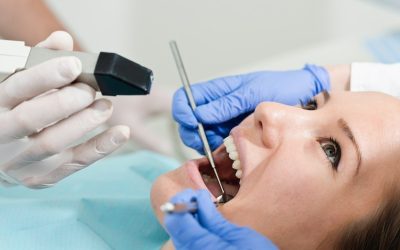
Many practices also use intraoral cameras or enhanced imaging to show what they’re seeing. These tools don’t replace X-rays for between-teeth cavities, but they help document concerns and educate patients.
Why Early Detection Matters
Cavities are progressive. If caught early enough, some enamel-level demineralization can sometimes be managed with improved home care and fluoride strategies under a dentist’s supervision. But once decay breaks through enamel into dentin (the softer layer under enamel), it usually progresses faster and often requires a filling.
In general:
- Early detection = smaller treatment, less tooth structure removed
- Late detection = larger fillings, possible cracking, and higher chance of needing more involved care later
This is why routine checkups are a cornerstone of preventive dentistry for a family dentist office, especially for patients prone to hidden decay.
Prevention Tips That Actually Target Between-Teeth Cavities
Floss With Technique (Not Just Intention)
A common issue is flossing quickly without cleaning the tooth surfaces. A better method:
- Slide floss gently between teeth
- Curve it into a “C” around one tooth
- Move it up and down to clean the side of that tooth
- Repeat for the adjacent tooth surface
Use Interdental Brushes Or Water Flossers If Needed
If flossing is difficult due to crowding, bridges, or dexterity issues, interdental brushes or water flossers can help. Many people do best with a combination based on their spacing.
Limit Frequent Sugary Sips And Snacks
Try to reduce “constant exposure.” Even small snacks throughout the day can increase risk. If you do snack, rinsing with water afterward helps reduce lingering sugars.
Ask About Fluoride And Remineralization Options
A dentist may recommend fluoride toothpaste, rinses, or in-office fluoride depending on your risk profile. This is especially relevant if you’ve had repeated cavities or dry mouth.
Keep Regular Cleanings
Professional cleanings remove tartar that can trap plaque near contacts and gumlines. Cleanings also support gum health, which can make flossing easier and less uncomfortable.
When To Schedule An Exam In Tempe, AZ
Consider scheduling sooner if you notice:
- A repeated “food trap” between the same two teeth
- Sensitivity that’s new or getting more noticeable
- Floss tearing in one area repeatedly
- A history of cavities between teeth
A quick evaluation can clarify whether it’s early enamel change, an active cavity, or something else (like a tight contact or a worn filling edge).
Dentist Near Me In Tempe, AZ: How To Catch Cavities Early
Cavities between teeth are common because they form in hard-to-clean areas and often don’t cause pain early. The most reliable way to find them is a routine exam paired with appropriate imaging. If you’re looking for a starting point for trusted preventive dental care, you can review preventive dentistry information there and use it to plan your next checkup with a general dentist or family dentist in Tempe, AZ.