Simply put:
• Stainless steel fabrication covers cutting, folding, welding and finishing stainless sheet into bespoke parts for kitchens, marine, and industrial use.
• Common grades include 304, 316 and 430, each suited to different corrosion, strength and hygiene requirements.
• Fabrication methods such as laser cutting, TIG welding and polishing determine durability, appearance and cost of the finished item.
Stainless steel fabrication is the process of cutting, shaping, welding and finishing stainless sheet metal into custom components, from catering worktops to structural brackets. The result is a durable, corrosion-resistant part built to a specific drawing rather than an off-the-shelf product.
Stainless Fabrication work generally starts with a drawing or sample, moves through cutting and forming, and finishes with welding and surface treatment before delivery. Stainless fabrication from SAMS fabrications, a Norwich-based metal fabrication business, covers a range of stainless steel grades for industries including food production, construction, and marine engineering. This article outlines the core techniques used in the process and where each is typically applied.
Core Techniques Used in Stainless Steel Fabrication
Fabricators combine several processes depending on part thickness, shape and finish requirements. Most jobs pass through some combination of the following stages:
• Laser cutting – profiles sheet to precise dimensions using a focused beam, suited to intricate shapes and repeat production runs.
• Punching and folding – CNC punching creates holes and cutouts, while folding bends flat sheet into boxes, brackets or enclosures.
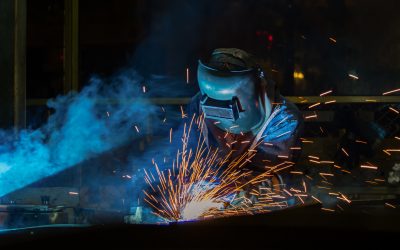
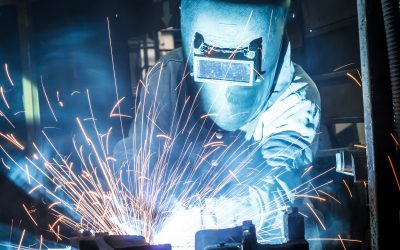
• Welding – MIG, TIG and ARC welding join sections together; TIG welding is widely used on stainless because it gives a cleaner, more controllable weld on thinner material.
• Finishing and polishing – grinding, fettling and polishing remove weld marks and bring the surface to a brushed, satin or mirror finish.
Each stage affects the final strength, appearance and cost of the component, so the sequence is usually planned around the end use rather than applied as a fixed template.
Choosing a Grade: 304, 316 and 430 Compared
Stainless steel is not a single material. The grade selected affects how well a fabricated part resists corrosion, heat and mechanical stress over time.
| Grade | Typical Use | Corrosion Resistance | Common Application |
| 304 | General purpose | Good | Kitchen worktops, indoor fittings |
| 316 | Marine/chemical grade | High (molybdenum added) | Coastal structures, chemical tanks |
| 430 | Budget/decorative | Moderate | Trim, non-structural panels |
Grade 316 is generally specified for coastal or marine environments because of its added resistance to chloride exposure, while 304 is more commonly used for catering and architectural work indoors.
Industrial and Commercial Uses
Stainless fabrication supports a wide range of practical applications across industries that need hygienic, corrosion-resistant or load-bearing metalwork:
• Food and catering equipment – worktops, drip trays, cabinets and prep surfaces that need to withstand washdown and regular cleaning.
• Architectural and construction elements – balustrades, staircases, sign frames and structural brackets.
• Marine and coastal structures – walkways, guards and enclosures exposed to salt air and moisture.
• Tanks and ducting – chemical tanks, machine ducting and process equipment requiring welded, leak-free seams.
Welding stainless steel also carries specific workplace health considerations. According to HSE guidance on controlling welding risks, fume generated when welding stainless steel contains substances such as hexavalent chromium and nickel, and effective extraction or ventilation is expected wherever welding is carried out regularly. This is a practical consideration for any workshop producing stainless parts at scale, not only a compliance formality.
Frequently Asked Questions
What is the difference between stainless steel fabrication and welding? Welding is one stage within fabrication. The wider fabrication process also includes cutting, folding, punching and finishing before and after welding takes place.
Which stainless grade suits outdoor or coastal use? Grade 316 is typically chosen for coastal or marine settings because its molybdenum content improves resistance to salt-related corrosion compared with 304.
Can stainless fabrication handle one-off and bulk orders? Yes. Fabrication methods such as laser cutting and CNC punching are adaptable to single bespoke items as well as larger production runs.
Is stainless steel fabrication available across the UK? Fabrication businesses based in the UK commonly supply stainless components to clients in multiple sectors, with delivery arranged beyond the immediate local area.
Business Info
SAMS Fabrications is a Norwich-based metal fabrication business working with stainless steel, aluminium, mild steel, copper and brass for clients across several industries.
Published location details for View SAMS fabrications on Google Maps are available for reference alongside general service area information.