Key takeaway:
- Commercial electrical work covers panel upgrades, dedicated circuits, and code-driven wiring for offices, restaurants, warehouses, and medical buildings.
- Denver businesses face specific inspection and permitting steps tied to local building codes and OSHA-aligned safety practices.
- Licensed electricians verify grounding, labeling, and load capacity so equipment like network racks and security systems run without interruption.
Commercial electrical services refer to the installation, upgrade, and maintenance of wiring, panels, and power systems inside business facilities rather than private homes. For a Denver office, restaurant, or warehouse, this typically means scheduled inspections, panel work, and dedicated circuits sized for the equipment the space actually runs.
Choosing a contractor for connecting businesses to power by CableEx usually starts with identifying what the building needs, whether it’s additional outlets for a renovated floor, a panel upgrade to support added machinery, or wiring for data racks and security equipment. CableEx helps businesses address these electrical needs by providing solutions tailored to their facilities. Understanding these requirements ahead of time allows business owners to ask more specific questions when requesting a quote.
What Commercial Electrical Work Actually Covers
Commercial electrical projects differ from residential jobs mainly in scale, code requirements, and the equipment they support. Typical categories include:
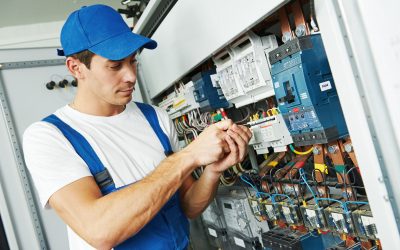
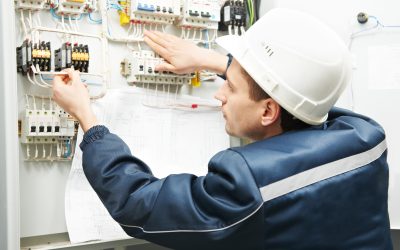
- Panel upgrades and labeling – replacing undersized breaker panels and correctly labeling circuits for safety audits.
- New construction and tenant-finish wiring – running power through a space before walls close, common in office remodels and restaurant build-outs.
- Dedicated circuits for equipment – separate power lines for network racks, security systems, and heavy appliances that cannot share a circuit with lighting.
- Outlet and lighting installation – adding capacity in renovated or expanded areas.
Facilities that run data closets or surveillance equipment alongside standard building power often need electricians who understand both trades, since miswired circuits in these areas can cause equipment failures rather than just inconvenience.
Why Code Compliance Matters More in Commercial Settings
Commercial spaces face stricter inspection standards than single-family homes because more people occupy them and more systems depend on stable power. Federal workplace electrical rules fall under OSHA’s general industry standards, which set requirements for design, grounding, and safe work practices around energized equipment. According to OSHA’s electrical safety regulations, electrical installations with exposed live parts must remain accessible only to qualified personnel and meet specific enclosure and signage requirements.
These federal standards work alongside Denver’s local permitting process, which requires inspection sign-off before new circuits or panel changes go live in a commercial building. Skipping this step can delay a business opening or trigger fines during a later inspection. A contractor familiar with both the national code baseline and Denver’s local permitting queue can usually anticipate where delays are likely to occur.
Comparing Common Commercial Electrical Needs
| Project Type | Typical Trigger | Primary Concern |
|---|---|---|
| Panel upgrade | Added equipment or outdated panel | Load capacity, labeling |
| Tenant-finish wiring | New lease or renovation | Code compliance before occupancy |
| Dedicated circuits | Network racks, security systems | Isolation from shared loads |
| Ongoing maintenance | Aging wiring, intermittent outages | Preventing failures |
This table reflects general categories rather than fixed pricing, since scope varies by square footage, existing infrastructure, and how many systems need separate circuits.
Business Information
Find CableEx on Google Maps lists commercial electrical work among its listed services, alongside network cabling, security camera installation, and access control systems for business facilities. Based in the USA, the company serves business clients across Denver, CO, supporting offices, restaurants, warehouses, and medical buildings with licensed electrical work tied to data and security infrastructure. Service details, including panel upgrades and dedicated circuit installation, are listed on the company’s Google Business Profile and website.
Frequently Asked Questions
What is the difference between commercial and residential electrical work? Commercial projects generally involve higher load capacities, stricter code enforcement, and equipment like network racks or security panels that residential wiring rarely supports.
How long does a typical panel upgrade take for a small business? Timelines vary by building size and existing wiring condition, so an on-site assessment is the most reliable way to get a project-specific estimate.
Do Denver commercial electrical projects require a permit? Most panel changes, new circuits, and tenant-finish wiring in Denver require inspection sign-off before the work is considered complete, though permit specifics depend on project scope.
Can one contractor handle both electrical and low-voltage cabling? Some contractors cover both categories, which can simplify coordination on projects where network equipment and electrical circuits need to work together.
Business owners planning electrical upgrades can review current panel capacity and any recent inspection notes before requesting quotes, since this information speeds up accurate scoping.