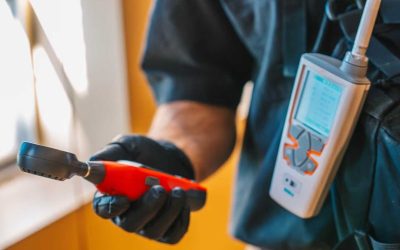
Industrial water quality is a critical concern for businesses across the United States, from water utilities and engineering firms to carbon vendors, hospitals, and food and beverage processors. As water treatment processes evolve and the demand for high-purity water grows, accurate laboratory testing becomes essential for optimizing treatment strategies and understanding the complexities of water chemistry. One area of increasing focus is the need for Disinfection Byproducts Analysis, a test used by industry professionals seeking specialized laboratory services to investigate the presence and characteristics of compounds formed during water disinfection.
The Importance of Disinfection Byproducts Analysis in Industrial Settings
Disinfection byproducts (DBPs) are compounds that can form when disinfectants such as chlorine or chloramine interact with organic and inorganic matter in water. For industries that rely on water for manufacturing, processing, or laboratory experimentation, understanding the formation and concentration of DBPs is vital. DBPs can affect not only the taste and odor of water but also the effectiveness of activated carbon filtration systems and other water treatment solutions. Disinfection Byproducts Analysis offers the following benefits for industrial clients:
- Optimized Treatment Processes: By precisely identifying DBP compounds, businesses can fine-tune their treatment processes for greater efficiency and effectiveness.
- Quality Assurance: Reliable laboratory results support consistent product quality for food and beverage processors and pharmaceutical manufacturers.
- Data-Driven Decisions: Actionable insights from laboratory analysis help engineering firms and municipalities make informed choices about water sourcing and treatment upgrades.
Advanced Solutions for Water Quality Testing
Modern laboratory techniques for Disinfection Byproducts Analysis utilize AWWA and ASTM approved standards, ensuring results are both accurate and reproducible. These advanced solutions include:
- Gas Chromatography-Mass Spectrometry (GC-MS): Ideal for detecting a broad spectrum of DBPs at very low concentrations.
- Liquid Chromatography-Tandem Mass Spectrometry (LC-MS/MS): Provides high sensitivity for specific DBP classes, enabling detailed profiling.
- Specialized Taste and Odor Compound Testing: Analysis of geosmin and other compounds that impact taste and odor, crucial for beverage manufacturers and water utilities.
Industrial clients benefit from mail-in water testing services, which allow for efficient sample collection and rapid turnaround of analytical results. This approach is especially advantageous for organizations with multiple facilities or those located in remote regions.
Applications Across Key Industries
Disinfection Byproducts Analysis is relevant to a wide array of industries, including:
- Water Utilities: Enhance understanding of treatment efficacy and system performance.
- Carbon Vendors: Evaluate the adsorption capacity and lifespan of activated carbon filters.
- Hospitals: Ensure water quality for sensitive laboratory and medical applications.
- Food and Beverage Processors: Maintain high standards for product taste and purity.
- Engineering Firms: Support the design and optimization of water treatment infrastructure.
Geosmin and Taste/Odor Compound Testing
Beyond DBPs, the analysis of geosmin and other taste and odor compounds is essential for industries where water quality directly influences product perception. Accurate laboratory analysis provides actionable data to diagnose taste and odor issues, guide corrective actions, and maintain consistent water quality.
Engineering Performance Solutions supports utilities, municipalities, and engineering teams with advanced disinfection byproducts analysis alongside geosmin and taste and odor compound testing, delivering detailed insights that help manage complex water systems with confidence and clarity.