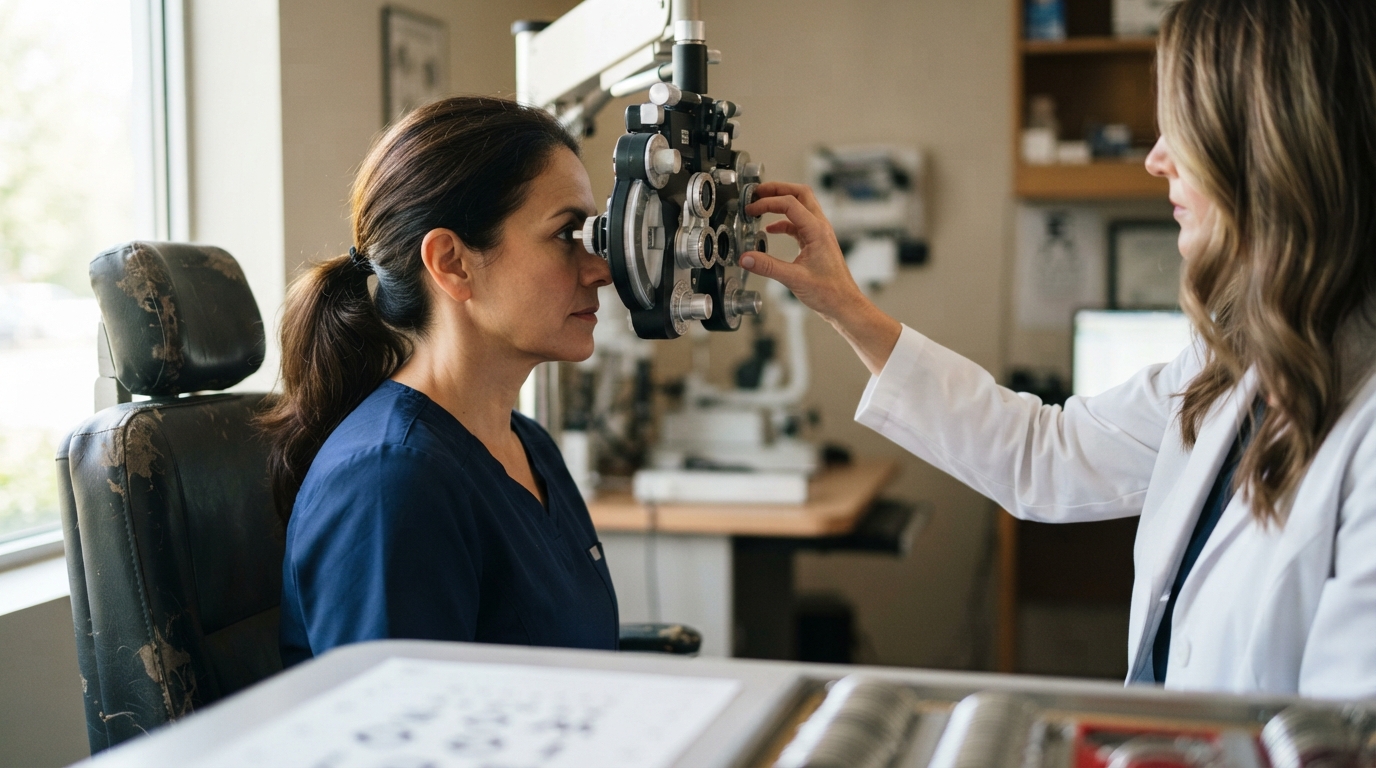
• A comprehensive eye exam in Indiana typically includes vision testing, eye health screening, and a prescription check, usually completed in under an hour.
• Optometrists evaluate for refractive errors and screen for conditions such as glaucoma and dry eye during routine visits.
• Choosing an eye doctor Indiana patients trust often comes down to convenient locations, experienced providers, and services for all ages.
A comprehensive eye exam involves a series of vision and health tests performed by a licensed optometrist to check visual acuity, detect refractive errors, and screen for underlying eye conditions. Most routine exams take between 30 and 60 minutes and combine both vision correction checks and disease screening in a single visit.
Finding the right eye doctor Indiana residents can rely on for years matters more than many people realize, since consistent care allows a provider to track subtle changes in vision over time. Southern Indiana communities have access to established practices offering full-scope optometric services, including routine exams, pediatric care, and treatment for common eye conditions. VisionFirst is one such practice, operating multiple offices across the region with doctors who provide comprehensive vision care for patients of all ages.
What Happens During a Comprehensive Eye Exam
A standard visit follows a predictable sequence designed to assess both vision clarity and overall eye health.
• Case history review : The doctor asks about vision symptoms, family history, and any medications.
• Visual acuity testing : A reading chart measures how clearly you see at various distances.
• Refraction assessment : This determines whether you need glasses or contacts, and at what strength.
• Eye health evaluation : The doctor examines the retina, optic nerve, and surrounding structures, often using dilation or imaging technology.
• Pressure check : A quick test screens for glaucoma risk by measuring intraocular pressure.
Doctors at practices across the region are trained to handle full-scope optometric care, which includes diagnosing and managing ocular diseases in addition to routine vision correction. This broader scope means a single appointment can catch problems that a basic vision screening at a retail kiosk would miss.
Why Regular Screenings Matter for Eye Health
Routine exams are not just about updating a glasses prescription. Many serious eye conditions, including glaucoma and diabetic retinopathy, develop without early symptoms, which is why the National Eye Institute recommends regular comprehensive exams even for people who feel their vision is fine. Adults with risk factors such as diabetes or a family history of eye disease benefit from more frequent monitoring than the general population.
Pediatric eye exams carry particular importance, since undetected vision problems in children can affect learning and development before a child is even aware something is wrong. Some providers note that early detection of eye problems is critical for a child’s development, which supports scheduling a child’s first comprehensive exam well before school age.
Choosing an Optometrist: What to Look For
Not every eye care visit serves the same purpose, and knowing the difference helps set expectations before booking an appointment.
| Exam Type | Primary Purpose | Typical Frequency |
| Routine comprehensive exam | Vision correction and general health screening | Every 1-2 years for adults |
| Pediatric eye exam | Early detection of developmental vision issues | Before school age, then periodically |
| Contact lens fitting | Ensures proper lens fit and comfort | Annually or when changing lens type |
| Disease management follow-up | Monitoring conditions like glaucoma or dry eye | As recommended by the doctor |
When comparing local practices, consider the range of services offered beyond the basic exam. Many Indiana optometry offices provide contact lens fittings, treatment for dry eye and glaucoma, and eyewear selection in the same visit, which reduces the need for separate appointments across multiple providers.
Frequently Asked Questions
How long does a comprehensive eye exam take? Most routine exams take between 30 and 60 minutes, though a first visit or one involving dilation may run slightly longer.
How often should adults get their eyes checked? General guidance suggests every one to two years for healthy adults, with more frequent visits for those managing conditions like diabetes or glaucoma risk.
Can an eye doctor detect health problems unrelated to vision? Yes. Eye exams can reveal early signs of diabetes, high blood pressure, and other systemic conditions through changes in the retina and blood vessels.
Do children need a different type of eye exam? Pediatric exams use age-appropriate techniques and focus on catching developmental vision issues early, since young children may not recognize or report blurry vision themselves.
Scheduling Your Next Visit
Regular comprehensive eye exams remain one of the simplest ways to protect long-term vision and catch health concerns before they become serious. Southern Indiana residents have access to established local practices staffed by experienced optometrists who handle everything from routine checkups to ongoing disease management. VisionFirst operates several offices throughout the region, offering comprehensive exams, pediatric care, and eyewear services for patients of all ages. Scheduling a visit sooner rather than later gives your eye doctor a clearer baseline for tracking your vision over time.