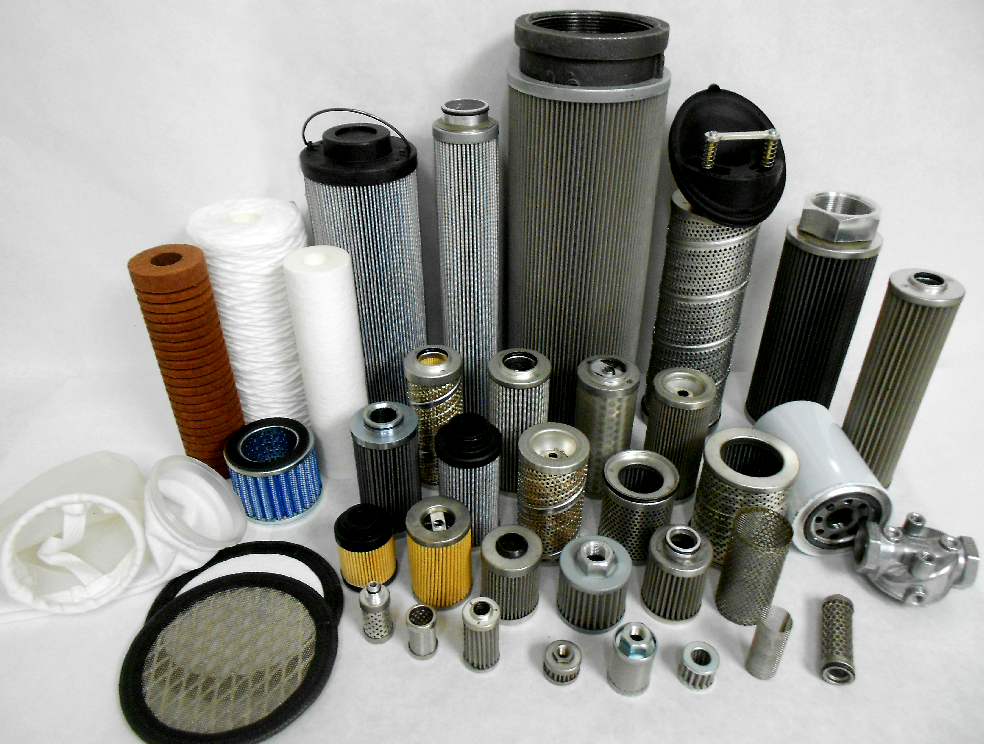
Hydraulic filters help protect pumps, valves, and other components from damaging particles that circulate through a system. When searching online for a Yamashin hydraulic filter, equipment owners should look beyond the brand or part number and confirm that a replacement suits the system’s operating requirements.
Start with the Existing Filter
The most reliable starting point is the part number printed on the filter or listed in the equipment’s service documentation. Record it carefully, including any letters, suffixes, or revision codes. If the number is missing or unclear, note the filter’s dimensions and design: overall length, outside diameter, connection type, and end-cap configuration can all help narrow down suitable options.
Physical similarity alone is not enough to establish compatibility. A replacement must fit correctly and perform within the hydraulic system’s specifications. Check the equipment manual or consult a qualified service professional when important details are unavailable.
Match Performance to the System
Before selecting a replacement, review the filter’s key performance characteristics:
- Filtration rating: Confirm the required particle-capture level. A finer rating is not automatically better if it restricts flow or does not match the system’s design.
- Flow capacity: The element must accommodate the system’s expected flow without excessive pressure drop.
- Pressure requirements: Verify that the filter can handle operating pressure and pressure surges in its location.
- Media and fluid compatibility: Filter media, adhesives, and seals must suit the hydraulic fluid, temperature range, and working environment.
- Bypass and collapse specifications: Where applicable, confirm that these values align with equipment requirements.
These details matter because a filter that fits the housing but does not meet performance needs may allow contaminants to pass through or interfere with reliable operation.
Consider the Application and Service Conditions
Operating conditions influence replacement intervals and filter choice. Dust, moisture, temperature changes, frequent cycling, and heavy workloads can increase contamination or place added demands on the element. Review maintenance records for signs such as shortened service life, recurring pressure warnings, or unusual system behavior. These clues can help identify whether the issue is a mismatched filter, demanding conditions, or a separate maintenance concern.
When replacing an element, keep the housing clean and inspect the sealing surfaces for wear or damage. Follow the equipment manufacturer’s service instructions, use clean handling practices, and check for leaks after installation. A careful installation helps prevent contaminants from entering the system during maintenance.
Get Help Identifying a Suitable Replacement
A filter manufacturer with in-house production capabilities can make replacement sourcing more practical, particularly when a part number is difficult to locate or an application calls for a specific configuration. Bulldog Fabricating manufactures replacement filters for industrial applications that use name-brand filter elements, including equipment designed around Yamashin elements. Its manufacturing expertise supports customers looking for compatible replacement options rather than a simple visual match.
If the required number is not listed online, gather the original part number, filter measurements, equipment details, and any available performance specifications before requesting assistance. Providing this information can help the manufacturer assess the application and identify a suitable option. Compatibility should be confirmed against the system’s requirements before installation.
Readers can Contact Bulldog Fabricating Corporation to discuss their application and use the Yamashin filter cross reference link to begin exploring replacement options.