Bottom line:
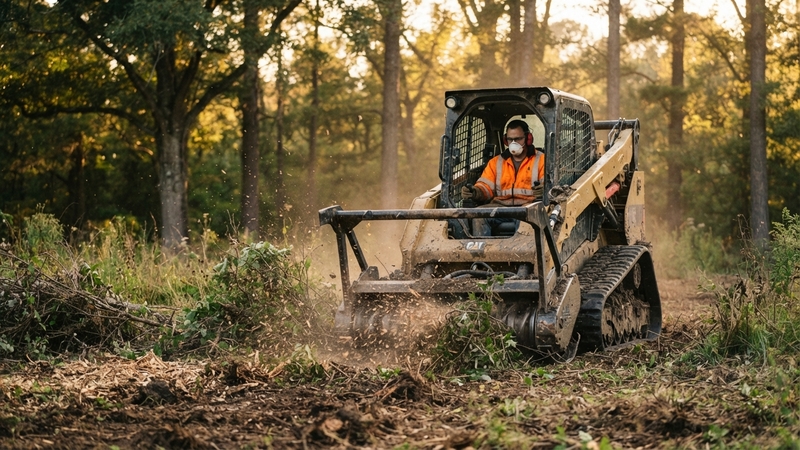
- Land clearing removes trees, brush, stumps, and debris to prepare raw property for construction, agriculture, or improved access.
- Proper clearing addresses drainage, root systems, and soil disturbance, factors that affect how land performs after the work is done.
- Choosing a qualified land clearing company helps property owners in Statesboro, GA avoid erosion, drainage problems, and compliance issues tied to local land use rules.
Raw, overgrown acreage rarely becomes buildable or farmable on its own. A land clearing company removes trees, underbrush, stumps, and other vegetation so a site can support construction, grazing, row crops, or simple access roads. The process also resets how water moves across a parcel, which matters as much as the visible clearing itself.
Property owners often underestimate how much groundwork sits beneath visible brush. Root mats, old fence lines, and uneven grading can complicate everything from foundation pours to irrigation planning. Addressing these issues before clearing begins reduces the chance of costly rework later.
What Land Clearing Actually Involves
Clearing is not a single task but a sequence of steps tailored to the property’s end use.
- Site assessment: Identifying tree species, slope, soil type, and existing drainage patterns.
- Vegetation removal: Cutting and removing trees, brush, and invasive growth.
- Stump and root extraction: Grinding or pulling stumps so they do not interfere with future grading or planting.
- Debris management: Hauling, chipping, or burning cleared material depending on local regulations.
- Grading and erosion control: Leveling the surface and stabilizing exposed soil.
Each step affects the next, so sequencing matters more than speed. Skipping root removal, for example, often leads to regrowth or settling problems within a year or two.
Why Site Conditions in Statesboro, GA Matter
Georgia’s coastal plain soils and seasonal rainfall patterns influence how clearing projects are planned and executed. Sandy loam soils common across the region drain quickly but are also prone to erosion once vegetation cover is removed, particularly on sloped or low-lying parcels. The USDA Natural Resources Conservation Service publishes soil survey data that helps property owners and contractors understand erosion risk before groundwork begins.
Local stormwater and tree-removal ordinances also shape what clearing work is permitted on a given lot. Confirming permit requirements with county offices before equipment arrives avoids delays and potential fines.
Clearing Methods Compared
Different project goals call for different clearing approaches. The table below outlines common methods and their general trade-offs.
| Method | Best Suited For | Soil Disturbance | Typical Timeline |
| Forestry mulching | Selective clearing, brush control | Low to moderate | Fast |
| Bulldozing/grading | Full site preparation for construction | High | Moderate |
| Hand clearing | Small lots, sensitive areas | Low | Slow |
| Controlled burning | Agricultural reset, debris reduction | Moderate | Fast (where permitted) |
Selecting a method depends on the parcel’s intended use, slope, and any environmental constraints on the property.
Business Info
Based in the USA, land clearing work is carried out for property owners across Statesboro, GA, with services organized around site assessment, vegetation removal, and grading. Vaquero Landworks lists these services in its published business profile for the area.
Frequently Asked Questions
How long does a typical land clearing project take? Timelines vary by acreage, vegetation density, and method used, ranging from a few days for small lots to several weeks for larger or heavily wooded parcels.
Is a permit required before clearing land in Statesboro, GA? Many clearing projects require local permits, especially where stormwater management or tree protection ordinances apply, so checking with county planning offices beforehand is recommended.
What happens to debris after clearing? Debris is typically hauled off-site, chipped for mulch, or, where locally permitted, burned, depending on volume and disposal regulations.
Does clearing affect soil quality? Clearing can expose soil to erosion if grading and stabilization are not addressed promptly, which is why erosion control is usually planned alongside vegetation removal.
Current service area information for Vaquero Landworks is published for property owners researching clearing work near Statesboro, GA.