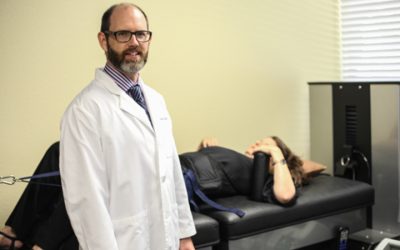
Growth spurts can temporarily change a child’s balance, coordination, posture, and movement because the body may grow faster than motor control can adapt. These changes do not always mean an injury has occurred, but persistent pain, weakness, limping, or loss of function should be evaluated by an appropriate healthcare provider.
What Happens to the Body During a Growth Spurt?
A growth spurt is a period when a child gains height and body mass more quickly than usual. During puberty, these changes can alter the body’s center of gravity and affect how a child controls movements that previously felt automatic.
The American Academy of Pediatrics notes that rapid increases in height and weight may temporarily affect balance and body control. Research on youth development also indicates that growth and maturation can influence coordination, gait, strength, and movement patterns, although every child responds differently.
A child may suddenly appear less coordinated when running, landing, turning, or changing direction. They may also need time to adjust to longer limbs, a different stride length, or changes in muscle tension.
These temporary differences can occur without a single fall, collision, or other clear injury. Research examining gait during growth found that a growth spurt may affect movement variability, smoothness, and regularity while overall walking stability remains controlled.
Why Might a Child Begin Favoring One Side?
One-sided movement can appear when a child is adapting to rapid physical changes. A child may shift weight toward one leg, rotate more easily in one direction, or rely on one side during sports and daily activities.
Natural dominance also matters. Most children prefer one hand or foot for certain tasks, so some asymmetry is expected. The concern is not that both sides must look identical. Instead, parents should notice whether the pattern is new, increasingly obvious, uncomfortable, or limiting normal participation.
Fatigue may make asymmetry more visible. A child may move evenly at the beginning of practice but favor one side after repeated running, jumping, or throwing. Footwear, backpacks, sports technique, and previous minor injuries may also affect movement.
How Can Rapid Growth Affect Flexibility?
Bones and surrounding soft tissues do not always adapt at exactly the same rate. During periods of rapid growth, muscles and tendons may feel temporarily tight, particularly around the hips, thighs, calves, shoulders, and back.
Temporary tightness does not automatically mean that something has been injured. However, it may change how a child squats, bends, reaches, runs, or walks.
A child might shorten their stride, avoid bending one knee deeply, or rotate another part of the body to complete a movement. These adaptations may disappear as the child becomes accustomed to their changing body.
Regular physical activity, appropriate rest, and age-suitable mobility work may support this adjustment. Exercises should match the child’s age, comfort, and activity demands rather than forcing movement through pain.
When Is a Movement Change Worth Evaluating?
Parents should pay attention when a movement change persists, becomes painful, or interferes with normal activities. A new limp, repeated loss of balance, inability to bear weight, noticeable weakness, numbness, severe pain, fever, or symptoms following a substantial injury warrant medical evaluation.
A pediatrician can assess whether the change may be related to normal development or whether additional testing is needed. Depending on the findings, care may involve monitoring, activity modification, rehabilitation, orthopedic evaluation, or another appropriate service.
Chiropractic care may be considered when the concern appears musculoskeletal and the child has been screened for conditions requiring medical attention. A pediatric evaluation may include a health history, movement observation, joint mobility checks, and an age-appropriate physical examination.
What Can a Pediatric Chiropractor Evaluate?
A pediatric chiropractor may compare how a child stands, walks, balances, turns, bends, and uses both sides of the body. The evaluation may also consider recent growth, sports participation, previous injuries, discomfort, sleep, school activities, and changes noticed by parents.
The purpose is not to label every awkward movement as a spinal problem. It is to determine whether restricted joint motion, muscle tension, or another mechanical factor could be contributing and whether chiropractic services are appropriate.
When care is considered suitable, techniques should be adjusted for the child’s age, size, comfort, and clinical findings. Recommendations may also include monitoring, home movement guidance, or coordination with the child’s pediatrician or another healthcare provider.
Families in Bellevue who want to learn more about nearby care can review information from Mercer Island Chiropractic about working with a pediatric chiropractor. They provide chiropractic care from their Mercer Island office for patients from Bellevue and surrounding communities.
How Can Parents Track Movement Changes at Home?
Parents can observe patterns without attempting to diagnose the cause. It may help to note when the movement appears, how long it lasts, and whether it changes with rest, activity, footwear, sports, or carrying a backpack.
A short video may be useful when the movement does not happen during an appointment. Parents can also record whether the child reports pain, stiffness, fatigue, tingling, or difficulty with stairs, running, sitting, or sleeping.
Searching for a pediatric chiropractor near me or a family chiropractor near me should not be the only step when deciding where to seek care. Families should look for clear explanations, age-appropriate assessments, appropriate referral practices, and a willingness to coordinate with pediatric healthcare providers.
What Should Parents Remember About Growth-Related Movement?
Growth spurts can make movement appear temporarily less smooth without causing an immediate injury. Many children simply need time to adapt as their height, body proportions, strength, and coordination change.
Persistent or concerning symptoms should not automatically be dismissed as growing pains. A careful evaluation can help determine whether the pattern is a normal developmental adjustment, a manageable musculoskeletal concern, or a sign that further medical assessment is needed.