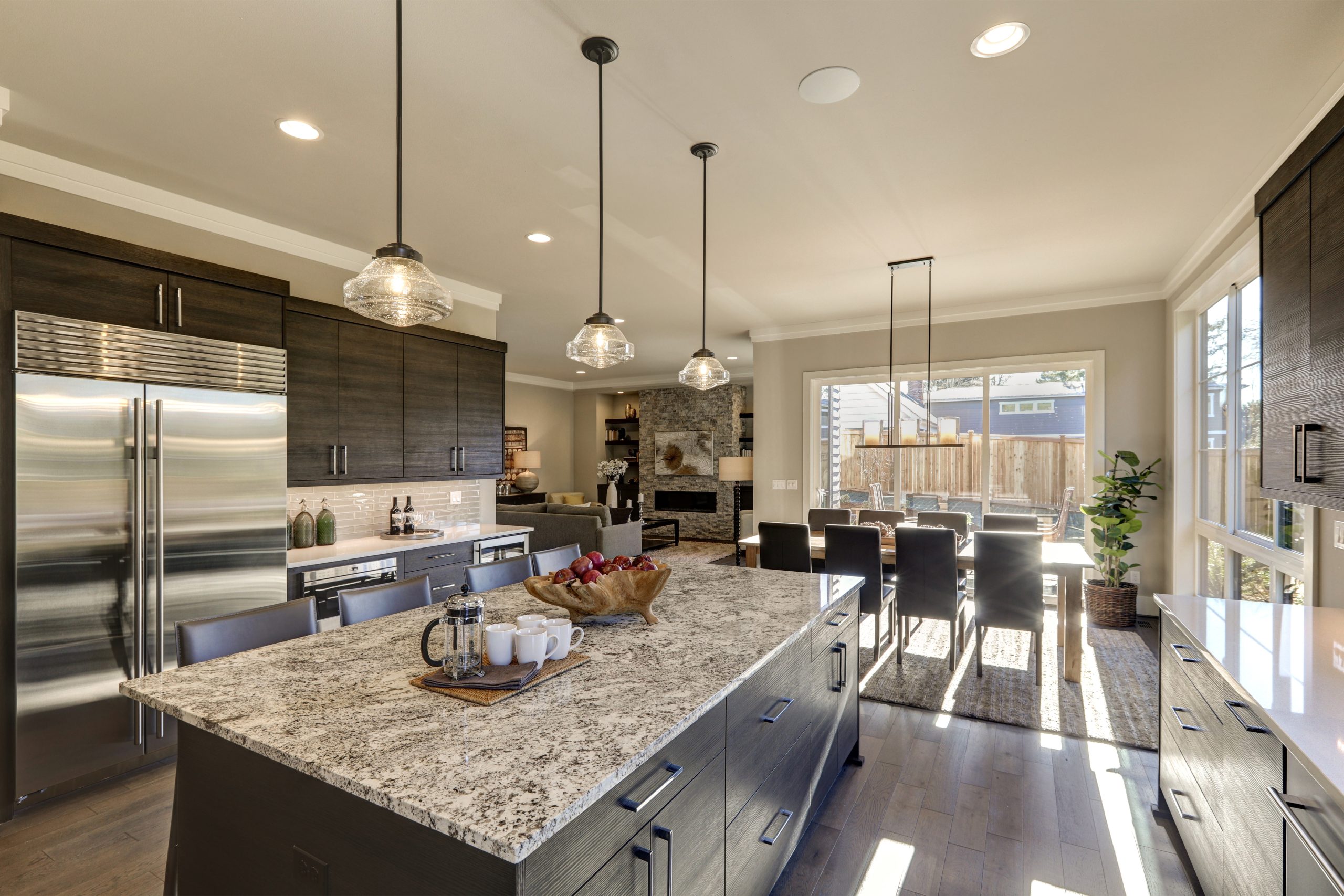
A kitchen countertop needs to stand up to daily cooking, spills, and family life while still looking inviting. Homeowners researching quartz countertops Minneapolis are often looking for a surface that combines lasting performance with straightforward care and a wide range of design options.
What Makes Quartz a Practical Choice?
Quartz countertops are engineered surfaces made primarily from natural quartz particles combined with binding materials and pigments. This composition creates a dense, consistent slab with a broad range of colors and patterns. Unlike natural stone, which can vary noticeably from one section to another, engineered quartz often provides a more predictable appearance from sample to finished installation.
That consistency can make planning easier. A homeowner can compare samples with cabinet doors, flooring, and wall colors, then choose a look that suits the overall kitchen. Options range from subtle, uniform colors to designs with veining or movement inspired by natural stone. The variety makes quartz adaptable to contemporary, traditional, and transitional spaces.
Its composition also contributes to its durability. Quartz is hard and resistant to many everyday marks, making it a suitable choice for busy kitchens where meal preparation happens frequently. Still, no countertop is indestructible. Using a cutting board and handling heavy cookware carefully helps preserve the surface over time.
Everyday Durability and Heat Awareness
A kitchen counter encounters more than food and drink. Small appliances, grocery bags, dishes, and cooking tools can all put a surface to the test. Quartz generally handles ordinary kitchen activity well, and its nonporous structure helps limit the absorption of common spills. That quality can make it easier to keep the counter looking clean when liquids are wiped up promptly.
Heat deserves special attention. Although quartz is durable, sudden or prolonged exposure to high temperatures can damage the binding materials or cause discoloration. A hot pan should go on a trivet or heat-resistant pad rather than directly on the counter. This simple habit is especially useful near ranges and cooktops, where hot cookware is often set down in a hurry.
Quartz can also be vulnerable to chips if a heavy object strikes an edge, particularly around a sink or corner. Rounded or eased edges may help reduce the risk of damage compared with very sharp profiles. Careful use matters, but selecting an edge style that suits the household’s routine is another practical way to protect the investment.
Low-Maintenance Care
One of quartz’s most appealing features is its uncomplicated cleaning routine. For everyday cleanup, a soft cloth or sponge, warm water, and mild dish soap are usually enough. Wiping spills soon after they occur prevents residue from drying and keeps the kitchen ready for the next meal.
Harsh cleaners, abrasive scouring pads, and highly acidic or alkaline products can dull or damage the surface, so they are best avoided. Homeowners should follow the care guidance provided for their specific countertop, particularly when addressing stubborn spots. Gentle cleaning is generally more effective than scrubbing aggressively.
Quartz typically does not require periodic sealing. That can simplify ownership compared with some porous countertop materials that need a protective treatment to help reduce staining. However, low maintenance does not mean no maintenance: routine wiping, sensible heat protection, and avoiding direct cuts on the counter all help preserve its finish.
Choosing a Color, Pattern, and Edge
The most appealing sample in a showroom may look different under a kitchen’s actual lighting. Before making a final selection, homeowners can compare samples near windows, under overhead lights, and beside the cabinets and flooring. Daylight can bring out cool or warm undertones that are less noticeable under artificial lighting.
Pattern scale is another consideration. A dramatic design can become a focal point on a large island, while a quieter pattern may suit a smaller kitchen or a space with distinctive backsplash details. It is also helpful to consider how the countertop will look alongside appliances, hardware, and other permanent finishes—not just current decorative accents.
Edge profiles affect both style and practicality. A simple eased edge offers a clean appearance and is easy to coordinate with many designs. More detailed profiles can create a formal look, though their suitability depends on the kitchen’s style and the slab’s thickness. Discussing options before fabrication helps align the finished counter with the homeowner’s priorities.
Planning for a Successful Installation
Accurate measurements are essential because cabinets, walls, and corners are not always perfectly square. A professional template helps account for the kitchen’s actual dimensions, including cutouts for sinks and cooktops. Homeowners should confirm appliance specifications and sink choices before fabrication begins; changes made later can complicate the process.
It is also worth asking how seams will be positioned and what the installation schedule involves. On patterned slabs, seam placement can influence how continuous the design appears. A clear discussion about access, preparation, and cleanup helps households plan around installation day and protect nearby surfaces.
With the right selection and everyday habits, quartz can provide a durable, attractive work surface without demanding a complicated care routine. Comparing samples in the home, planning details early, and using trivets and cutting boards can help homeowners get lasting value from their kitchen.
For homeowners comparing countertop options across the Twin Cities, Granite Unlimited Inc. offers a reliable local partner for planning a durable, low-maintenance kitchen surface. Its guidance can help households evaluate materials, measurements, finishes, and installation needs with greater confidence before making a decision.