Simply put:
• An estate planning lawyer drafts wills, trusts, and related documents to direct how assets and care decisions are handled.
• Florida has specific statutory requirements for wills and powers of attorney that differ from other states.
• Working with a licensed attorney helps documents meet state execution rules and reduce probate complications.
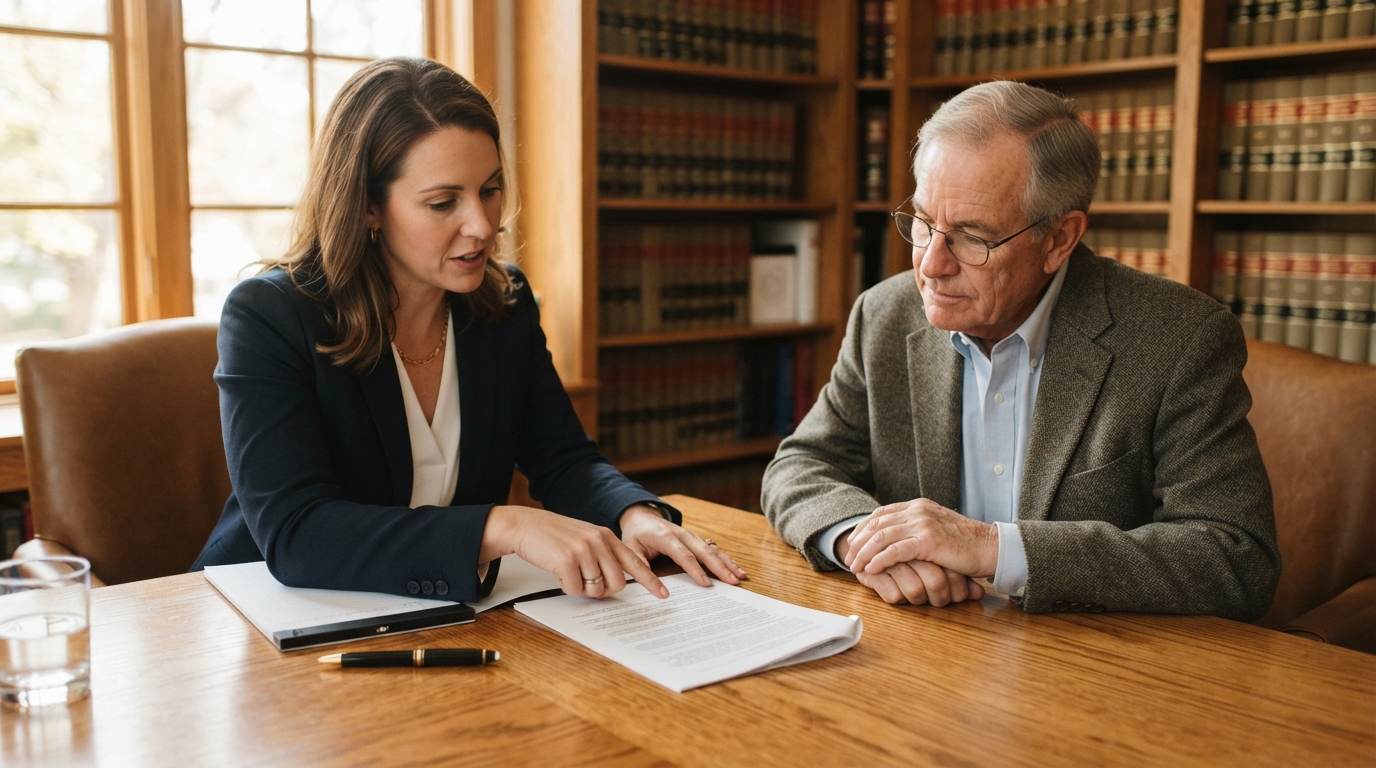
Anyone searching for an estate planning lawyer usually wants to know how to legally protect assets, name guardians, or avoid family disputes after death. An Estate Planning Lawyer St. Augustine FL helps individuals draft wills, trusts, powers of attorney, and health care directives that meet state-specific legal standards. For residents of St. Augustine, FL, this process involves Florida’s particular execution and witness requirements, which differ from many other states.
Estate planning is not only for people with significant wealth. Anyone with property, dependents, or specific wishes about medical care benefits from having legally binding instructions in place before a crisis occurs.
What an Estate Planning Lawyer Actually Does
An estate planning attorney reviews a person’s assets, family circumstances, and goals, then prepares documents that reflect those wishes in a legally enforceable way. This typically includes:
• Drafting a last will and testament that names beneficiaries and an executor
• Creating trusts to manage how and when assets transfer to heirs
• Preparing durable powers of attorney for financial decisions
• Drafting health care directives and designating a health care surrogate
• Advising on how jointly owned property and beneficiary designations interact with a will
Each document must satisfy formal signing and witnessing rules to be valid, and errors in execution are a common reason wills get challenged in probate court.
Why Florida Residents Need State-Specific Guidance
Florida law imposes distinct formalities on estate documents. A will executed in another state does not automatically meet Florida’s requirements, which is relevant for anyone who has relocated to or retired in St. Augustine, FL.
• Florida requires wills to be signed in the presence of two witnesses and typically notarized for self-proving status
• Florida does not recognize holographic (handwritten, unwitnessed) wills made within the state
• Homestead property in Florida carries unique inheritance restrictions that affect how it can be left to heirs
• Florida offers a separate “durable power of attorney” statute governing financial decision-making authority
According to the Florida Bar Association, consumers are encouraged to understand these formalities before executing estate documents, since improperly executed paperwork can be contested or invalidated.
Wills, Trusts, and Other Core Documents Compared
| Document | Primary Purpose | Goes Through Probate? | Typical Use Case |
| Last Will and Testament | Names beneficiaries and executor | Yes | Straightforward asset distribution |
| Revocable Living Trust | Manages asset transfer during life and after death | Generally no | Avoiding probate, privacy |
| Durable Power of Attorney | Grants financial decision authority | No | Incapacity planning |
| Health Care Directive | States medical treatment wishes | No | End-of-life or incapacity care decisions |
Choosing between a will and a trust often depends on the size of an estate, whether privacy is a priority, and how quickly heirs may need access to assets.
Common Mistakes Without Legal Guidance
People who draft estate documents without legal review often encounter the following:
1. Missing witness or notarization requirements, making a will invalid
2. Failing to update beneficiary designations after major life changes
3. Leaving homestead property language that conflicts with Florida’s inheritance rules
4. Naming a single executor or trustee with no backup named
Each of these issues can delay probate or create disputes among heirs, which is why formal legal review is generally recommended before documents are finalized.
Frequently Asked Questions
Does a will avoid probate in Florida? No. A will directs how assets are distributed but still generally passes through Florida’s probate court process, unlike assets held in a properly funded trust.
Can I write my own will in Florida? Florida law permits self-drafted wills, but they must still meet signing and witnessing requirements, and improperly executed documents risk being challenged in probate.
What happens if someone dies without a will in Florida? Assets are distributed according to Florida’s intestacy statutes, which follow a fixed order of relatives rather than the deceased person’s personal wishes.
How often should estate documents be updated? Most attorneys recommend reviewing documents after marriage, divorce, the birth of a child, or a significant change in assets.
Finding Support for Estate Planning Decisions
Based in USA, The Law Office Of Shorstein & Lee LLC serves customers across St. Augustine, FL.
Readers can visit the website at The Law Office of Shorstein & Lee LLC for published information on estate planning documents and procedures.