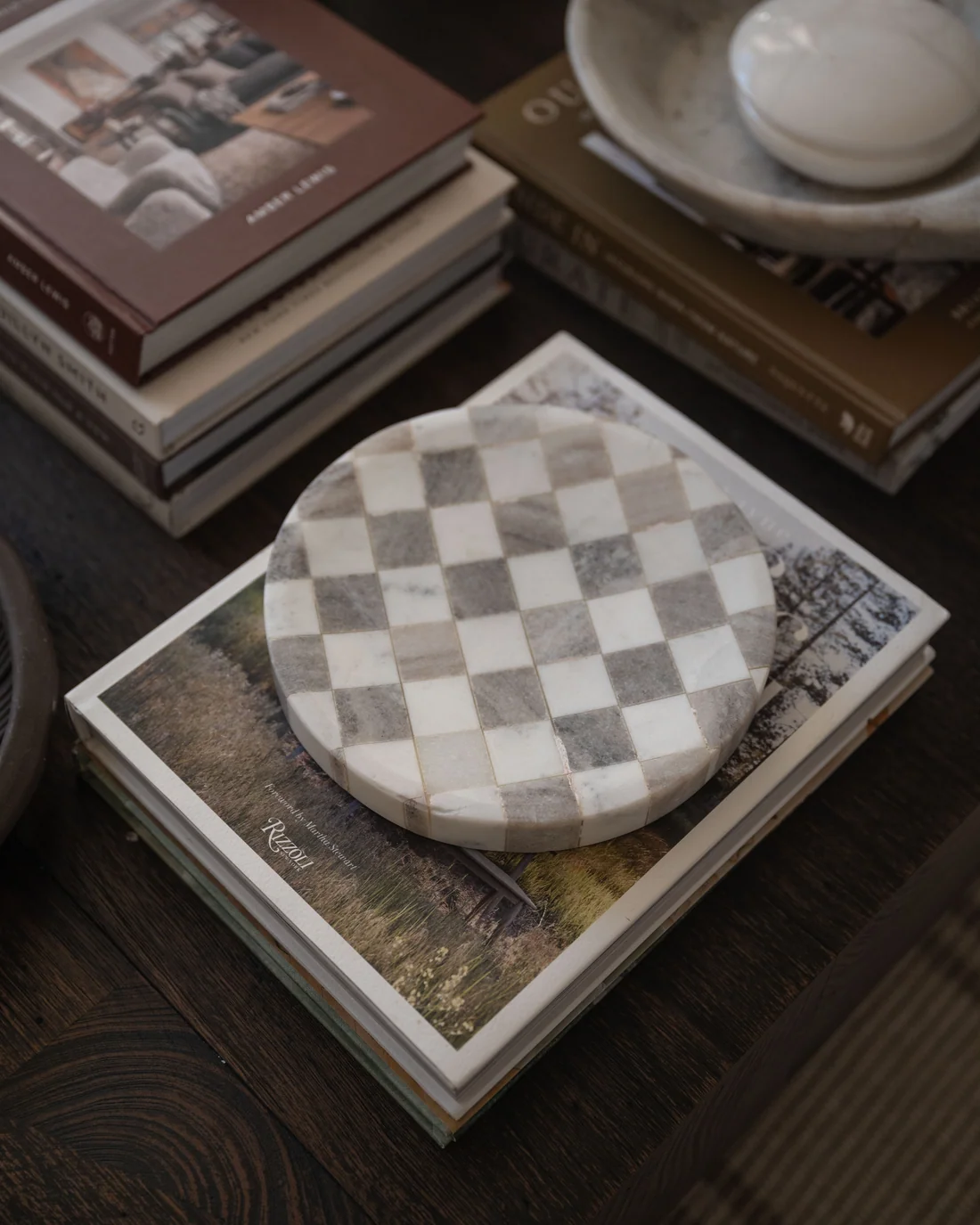
Marble has a distinctive appeal that few kitchen materials can replicate. Its natural veining, smooth finish, and substantial feel make it an attractive option for homeowners who appreciate functional objects with decorative character. However, a beautiful stone surface is not necessarily the right choice for every kitchen task.
For homeowners in Fresno, CA, marble cutting boards can be appealing additions to kitchen counters, dining areas, and entertaining spaces. Yet understanding the difference between a decorative marble board, a serving surface, and a board intended for food preparation is essential before purchasing.
Some marble pieces are designed primarily for display, while others are manufactured for serving specific foods. Their appearance may be similar, but their intended purposes can differ considerably.
Knowing what to examine helps shoppers appreciate marble’s natural qualities while selecting products that fit their practical needs and personal preferences.
What Makes Marble Different From Other Kitchen Board Materials?
Marble is a natural stone formed when limestone or dolostone undergoes heat and pressure. This transformation produces a crystalline material that can be polished into a smooth surface.
One of marble’s most recognizable characteristics is its veining. Variations in mineral composition create patterns that may appear as delicate lines, cloudy areas, or contrasting streaks.
Because these characteristics develop naturally, individual stone pieces can look noticeably different, even when cut into identical shapes.
Marble is also relatively dense and heavy compared with many wooden or plastic boards. Its weight can create a substantial appearance, but it may make larger pieces less convenient to move.
Another important characteristic is marble’s calcium carbonate content, which makes many marble surfaces vulnerable to damage from acidic substances.
These properties explain why marble is often appreciated as a decorative material, although its suitability for kitchen activities depends on the product’s design and finish.
Are Marble Boards Better for Cutting or Serving?
The word “cutting” can sometimes create confusion when applied to decorative stone products.
A board-shaped object is not automatically intended for regular knife use. Some are manufactured for food presentation, while others are intended exclusively as decorative accessories.
Marble as a Cutting Surface
Although marble is hard, repeated contact with knives can damage the board’s finish and dull knife edges.
Polished stone surfaces can develop visible scratches, and the impact of sharp utensils may affect delicate edges.
For frequent chopping and slicing, purpose-made cutting boards are generally more practical.
Food-contact suitability must also be considered. Not every decorative stone product has been manufactured, finished, or tested for direct contact with food.
Shoppers should rely on the manufacturer’s instructions rather than assuming that a polished surface is automatically food-safe.
Marble as a Serving Surface
Marble products specifically identified as food-safe serving boards may be appropriate for presenting certain foods.
For example, a manufacturer-approved marble serving board might be used to present cheeses, pastries, or other prepared items.
However, the appropriate uses depend on the product’s finish, manufacturer guidance, and condition.
An antique or vintage marble object may have an unknown history, repairs, or surface treatments that make food-contact suitability uncertain.
This distinction matters when comparing kitchen accessories that share similar shapes but serve different purposes.
Why Marble Appeals to Homeowners Who Value Decorative Design
Kitchen surfaces are increasingly visible parts of open-plan living spaces. Objects placed on counters and dining furniture contribute to the room’s overall appearance, even when they are not actively being used.
Marble provides natural pattern variation without requiring elaborate shapes or ornamentation.
A pale stone board with subtle gray veining can complement many neutral finishes. Darker or more heavily patterned marble introduces a different visual character.
Its weight and texture also distinguish it from lightweight decorative materials.
These qualities explain why stone boards may appeal to shoppers interested in luxury home accents with understated visual appeal.
However, appearance alone should not determine the purchase.
An attractive board still needs suitable dimensions, a stable base, an appropriate finish, and a clearly identified purpose.
The most satisfying purchases balance visual preferences with practical expectations.
What Should Shoppers Look for in a Marble Board?
Several considerations can help distinguish a well-suited product from one that merely looks appealing in photographs.
Intended Purpose
The first consideration is whether the board is intended for cutting, food presentation, or decorative display.
A product marketed as a decorative board may not meet the expectations associated with a food-preparation accessory.
Similarly, vintage pieces should not be presumed suitable for food contact simply because their original design was kitchen-related.
Clear product descriptions are valuable because they establish how the item is intended to be used.
Dimensions and Thickness
Marble boards can vary significantly in size.
A compact piece may fit comfortably on a smaller countertop, while a substantial rectangular board can occupy considerable space.
Thickness also influences weight and visual proportions.
A thicker piece may look more substantial, but it can be harder to handle or store.
When purchasing online, accurate measurements are more reliable than photographs alone.
Edge Construction
Edges influence both appearance and practical handling.
Rounded or softened edges may offer a different tactile experience from sharply defined corners.
Buyers should also consider whether the product has visible chips or damage, particularly when evaluating older stone pieces.
Surface Finish
Polished marble generally has a smoother, more reflective appearance.
Honed marble has a softer, less reflective finish that may appeal to shoppers who prefer understated surfaces.
Neither finish makes a product automatically suitable for food preparation.
The material’s finishing treatments and intended use remain important considerations.
The Importance of Natural Veining and Color Variation
One reason marble is valued in decorative products is its individuality.
Unlike printed patterns, natural veining extends through stone in ways that reflect its geological formation.
Two boards manufactured from the same general marble type may have different markings, color concentrations, and visible mineral features.
This variation can be particularly appealing when shoppers want an object that does not look identical to every other piece.
However, natural variation also creates an important expectation for online purchases.
The delivered item may not precisely match a representative product photograph unless the retailer confirms that the pictured piece is the exact item being sold.
Descriptions should explain whether buyers are purchasing a particular board or one selected from a group of similar products.
Understanding that distinction helps prevent disappointment.
Decorative Marble Boards and Their Role in Home Accents
A marble board does not have to function as a traditional cutting surface to be useful in a home.
Some stone pieces are specifically intended to display small objects or serve as decorative platforms.
For example, Shoppe At The Avenue lists a vintage marble chapati board described for styling surfaces with small objects. Its product description emphasizes the individual imperfections and character of vintage pieces rather than presenting it as an everyday cutting surface.
This illustrates an important distinction for shoppers exploring marble cutting boards: similarly shaped objects may belong to different product categories depending on their intended purpose.
A decorative marble board may be best appreciated for its material, age, shape, or natural surface characteristics.
Its value to a purchaser may come from its appearance rather than conventional kitchen functionality.
How Do Marble and Wooden Boards Compare?
Wood and marble offer different advantages, which makes direct comparisons useful.
Wooden cutting boards are commonly selected for food preparation because suitable wood surfaces are generally more forgiving on knife edges than stone.
Marble, by contrast, offers a cooler-feeling surface, distinct veining, and a smooth decorative finish.
Its natural appearance can complement wood, ceramic, glass, and metal accessories.
Both materials require appropriate care, but their limitations differ.
Wood can react to prolonged moisture exposure, while marble is vulnerable to acid etching and certain surface stains.
The intended purpose should guide the decision.
A homeowner seeking an everyday chopping surface may prefer a board manufactured specifically for food preparation. Someone seeking a decorative stone object may place greater value on marble’s visual properties.
Understanding the distinction avoids expecting one material to perform every kitchen function equally well.
Does Marble Require Special Care?
Marble’s mineral composition affects how it responds to common household substances.
Acidic ingredients such as lemon juice and vinegar can react with calcium carbonate, potentially leaving dull marks known as etching.
Certain oils, pigments, and liquids may also stain marble, depending on its porosity and surface treatment.
Sealing may help reduce the absorption of some substances, but it does not make marble resistant to acid etching.
For that reason, a product’s finish and care instructions are important purchasing considerations.
A serving board approved for food contact may have different maintenance requirements from an antique decorative piece.
Consumers should follow manufacturer guidance and avoid assuming that all marble products can be cleaned or maintained in exactly the same way.
For vintage objects, professional evaluation may be appropriate when the composition or condition of an existing surface treatment is unknown.
What About Weight and Everyday Convenience?
Weight is often overlooked when selecting stone accessories.
Marble’s density contributes to its solid feel, but it can also affect handling.
A large board may require more effort to lift, move, or store than an equivalent wooden product.
For households that frequently rearrange counter accessories or have limited storage space, this difference can be significant.
Weight can also matter when considering where an object will be placed.
Delicate shelves, lightweight furniture, and narrow surfaces may not be appropriate for particularly heavy stone accessories.
Product listings that include dimensions and weight make these decisions easier.
When that information is missing, asking the retailer for clarification is more reliable than estimating from photographs.
Are Vintage Marble Boards Different From Newly Manufactured Pieces?
Older marble boards may offer characteristics not commonly found in standardized contemporary products.
Variations in shape, signs of previous use, and differences in finish can contribute to their visual individuality.
However, those characteristics should not automatically be interpreted as evidence of superior quality.
Vintage objects may have surface wear, repairs, or an uncertain history.
Newly manufactured pieces can offer more consistent dimensions and clearer product-use documentation.
For decorative purposes, some shoppers may appreciate the irregularities of older pieces.
For specific functional requirements, clearly documented contemporary products may be easier to evaluate.
Neither category is universally preferable. The better choice depends on the purchaser’s expectations.
Choosing Marble Accessories When Shopping Online
Home accents online shopping provides access to products that may not be available in every local store.
However, marble’s natural variation makes careful product evaluation particularly important.
Photographs can communicate color and overall shape, but they may not fully reveal weight, surface texture, or minor imperfections.
Useful product information includes the type of stone, dimensions, intended use, finish, and applicable purchase policies.
Shoppers should also pay attention to descriptions of vintage condition.
A unique older piece may be sold under different return terms than a newly manufactured accessory.
Before purchasing, buyers should understand whether the item is primarily decorative or intended for direct food contact.
For Fresno homeowners considering marble accessories, these questions help make the purchasing process more informed without relying exclusively on appearance.
What Makes a Marble Board a Thoughtful Purchase?
A marble board can be attractive, but thoughtful purchasing involves more than choosing a pleasing pattern.
A suitable piece should meet the buyer’s expectations for appearance, function, durability, and maintenance.
Someone interested in a decorative object may prioritize natural veining, distinctive proportions, and surface character.
A shopper looking for food presentation may place greater importance on manufacturer-approved food-contact suitability and practical handling.
Those interested in everyday cutting should carefully evaluate whether marble is appropriate for that task at all.
The most important distinction is understanding what the product is designed to do.
Final Thoughts
Marble cutting boards occupy an interesting space between kitchen functionality and decorative design.
Their natural patterns, substantial weight, and distinctive finishes make them visually appealing, but these characteristics do not establish their suitability for every kitchen task.
Decorative boards, serving accessories, and food-preparation surfaces should be evaluated according to their intended purposes.
For homeowners in Fresno, CA, understanding these distinctions can make it easier to select marble pieces that complement existing interiors while meeting realistic expectations.
Rather than assuming every stone board offers the same functionality, shoppers benefit from examining material characteristics, product specifications, and manufacturer guidance.
A well-considered purchase begins with knowing whether an object is meant to be admired, used for presentation, or incorporated into everyday kitchen activities.
About Shoppe At The Avenue
Founded by Andrea Van Groningen, principal designer of The Avenue’s related design businesses, Shoppe At The Avenue is a curated home and lifestyle store offering decorative objects, vintage finds, vessels, and kitchen accessories. The store is located at 2037 W Bullard Avenue, Suite 102, Fresno, CA 93711, where customers can explore their home collections and inquire about individual products. For store inquiries, call (559) 890-9793 or find their Fresno store on Google Maps before visiting.