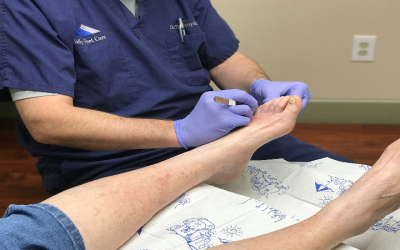
Persistent heel pain, a painful bunion, an ankle injury, or a wound that is not healing can all make it difficult to stay active and comfortable. A podiatrist specializes in diagnosing and treating conditions involving the feet and ankles, from common everyday problems to more complex conditions requiring ongoing care.
If you are looking for a foot doctor in Jacksonville, FL, understanding the conditions a podiatrist treats can help you determine when it may be time to schedule an evaluation.
Heel Pain and Plantar Fasciitis
Heel pain is a common reason to visit a podiatrist, but it can have several possible causes.
One of the most common is plantar fasciitis, which involves irritation of the plantar fascia, the strong band of tissue running along the bottom of the foot. Plantar fasciitis commonly causes pain underneath the heel, particularly with the first few steps after waking or after an extended period of rest.
Other conditions can also cause heel pain, including Achilles tendon problems, bursitis, stress injuries, and other soft tissue or structural issues.
Depending on the diagnosis, treatment may include:
- Stretching and activity modifications
- Supportive footwear
- Physical therapy
- Over-the-counter or custom orthotics
- Medication when appropriate
- Shockwave therapy for certain persistent conditions
- Additional procedures when conservative care is unsuccessful
Because different conditions can produce similar symptoms, identifying the actual cause of heel pain is an important part of choosing an appropriate treatment.
Heel Spurs
Heel spurs are bony growths that can develop on the heel bone. They are sometimes found in people who also have plantar fasciitis, but the presence of a heel spur does not necessarily mean it is responsible for the patient’s pain.
Treatment generally focuses on the condition causing the symptoms rather than the appearance of the spur alone.
A podiatrist can evaluate the location of the pain and may use imaging when necessary to determine whether a heel spur or another condition is contributing to the discomfort.
Bunions and Hammertoes
Podiatrists also diagnose and treat structural foot problems such as bunions and hammertoes.
A bunion develops when the alignment of the joint at the base of the big toe changes, creating a noticeable bump along the inside of the foot. Genetics and foot structure can contribute to bunion development, while certain footwear may aggravate symptoms by placing additional pressure on the affected joint.
Hammertoes involve an abnormal bend in one or more of the smaller toes. They can cause discomfort, irritation from footwear, corns, calluses, or difficulty finding comfortable shoes.
Treatment depends on the severity of the deformity and the symptoms it is causing.
| Condition | Common Symptoms | Treatment May Include |
| Bunion | Bump and pain around the big toe joint | Footwear changes, padding, orthotics, or surgery when appropriate |
| Hammertoe | Bent toe, irritation, corns or discomfort | Footwear changes, padding, orthotics, or surgical correction when needed |
| Plantar Fasciitis | Pain underneath the heel | Stretching, supportive footwear, orthotics, physical therapy, or other treatments |
| Heel Spur | May occur with heel pain or have no symptoms | Treatment based on the underlying cause of pain |
Surgery is not automatically required for bunions or hammertoes. A podiatrist can first determine whether conservative measures may provide adequate relief.
Ingrown Toenails
An ingrown toenail occurs when the edge of a toenail presses into or grows into the surrounding skin.
Symptoms can include pain, tenderness, redness, and swelling. In some cases, drainage or other signs of infection may develop.
Treatment depends on the severity of the problem. Mild cases may respond to conservative measures, while painful or recurring ingrown toenails may require an in-office procedure.
People with diabetes, poor circulation, or reduced sensation in their feet should be particularly careful about attempting to treat toenail problems themselves and may benefit from professional evaluation.
Diabetic Foot Care
Diabetes can affect the feet in several ways, including changes in sensation and circulation. Reduced sensation may make it more difficult to notice cuts, blisters, or pressure injuries, while circulation problems can interfere with healing in some patients.
Regular foot care can help identify problems before they become more serious.
A podiatrist may provide diabetic foot care that includes:
- Routine foot examinations
- Evaluation of skin and toenail problems
- Sensation and circulation assessments
- Monitoring of pressure areas
- Footwear recommendations
- Treatment of wounds or ulcers when appropriate
- Coordination with other healthcare providers when needed
Patients with diabetes should also regularly inspect their feet for cuts, blisters, redness, swelling, or other changes and discuss concerning symptoms with a healthcare professional.
Foot and Ankle Wound Care
A wound on the foot that is not healing properly deserves medical attention, particularly for people with diabetes, circulation problems, or other conditions that can affect healing.
Podiatric wound care may include evaluating the cause and severity of the wound, reducing pressure on the affected area, removing unhealthy tissue when appropriate, applying dressings, and monitoring healing.
Treatment depends on the type of wound and the patient’s overall health.
Signs such as increasing redness, swelling, warmth, drainage, worsening pain, fever, or changes in the appearance of a wound should be evaluated promptly.
Ankle Sprains and Sports Injuries
Foot doctors also treat injuries involving the feet and ankles.
Ankle sprains are common, but the severity can vary considerably. While mild injuries may improve with conservative treatment, significant swelling, difficulty bearing weight, persistent pain, or instability may indicate the need for an evaluation.
Podiatrists can also evaluate other sports and activity-related conditions, including:
- Heel and arch pain
- Tendon injuries
- Overuse injuries
- Stress injuries
- Ankle pain
- Foot pain associated with running or exercise
Treatment can focus on relieving symptoms while helping the patient safely return to normal activity.
Custom Orthotics
Custom orthotics may be recommended as part of treatment for certain foot and ankle conditions.
Unlike general shoe inserts, custom orthotics are designed based on an individual’s foot structure and support needs. Depending on the condition, they may help redistribute pressure, provide additional support, or address certain biomechanical issues.
Orthotics may be considered for conditions such as plantar fasciitis, flat feet, or other problems in which foot mechanics are contributing to symptoms.
They are not necessary for every patient, so a podiatrist can determine whether an over-the-counter or custom option is appropriate.
When Should You See a Foot Doctor?
Some minor foot problems improve with basic care, but persistent or worsening symptoms may require professional evaluation.
Consider seeing a podiatrist if:
- Foot or ankle pain continues or repeatedly returns
- Pain interferes with walking, work, exercise, or daily activities
- You have persistent swelling or redness
- You cannot comfortably bear weight after an injury
- A bunion or hammertoe is becoming painful
- An ingrown toenail repeatedly returns
- A foot wound is not healing properly
- You have diabetes and notice a new foot problem
- You experience numbness, tingling, or changes in sensation
Sudden severe pain, significant trauma, rapidly worsening signs of infection, or an inability to bear weight may require more immediate medical attention.
Frequently Asked Questions About Podiatric Care
When should I see a foot doctor instead of my primary care physician?
A podiatrist specializes in foot and ankle conditions and may be appropriate when symptoms are specifically affecting these areas. Persistent pain, recurring problems, injuries, structural changes, or difficulty walking are common reasons to schedule a podiatric evaluation.
Can a podiatrist treat children’s foot problems?
Yes. Podiatrists can evaluate foot and ankle conditions affecting children and adolescents, including heel pain, ingrown toenails, gait concerns, injuries, and other foot problems.
Is surgery always required for bunions or hammertoes?
No. Treatment depends on symptoms and severity. Conservative approaches may include footwear changes, padding, orthotics, and activity modifications. Surgery may be considered when appropriate nonsurgical treatments do not provide enough relief and the condition continues to affect daily activities.
What is shockwave therapy used for?
Shockwave therapy is a non-invasive treatment that may be considered for certain persistent musculoskeletal foot and ankle conditions, such as chronic plantar fasciitis or some tendon problems. Whether it is appropriate depends on the patient’s diagnosis and previous treatment.
Does every foot problem require treatment?
Not necessarily. Some minor problems resolve with basic care. However, persistent pain, recurring symptoms, difficulty walking, wounds, or signs of infection should not be ignored.
Find a Foot Doctor in Jacksonville, FL
From heel pain and bunions to sports injuries, ingrown toenails, diabetic foot concerns, and wounds, a podiatrist can diagnose and treat a wide range of conditions affecting the feet and ankles.
First Coast Foot and Ankle Clinic provides podiatric care in Jacksonville, FL. Dr. Vimal Reddy treats conditions including heel pain, plantar fasciitis, bunions, ankle and sports injuries, diabetic foot concerns, wounds, and ingrown toenails, with treatment options ranging from conservative care and custom orthotics to advanced procedures when appropriate.
If foot or ankle symptoms are making it difficult to stay active or complete your normal routine, schedule an evaluation to determine the cause and discuss treatment options based on your individual needs.