Essentially:
- Most Great Falls, MT households on well water need filtration to address hardness, sediment, iron, or bacteria found in local groundwater.
- The right system depends on a water test, not guesswork, since contaminants vary by well depth and neighborhood.
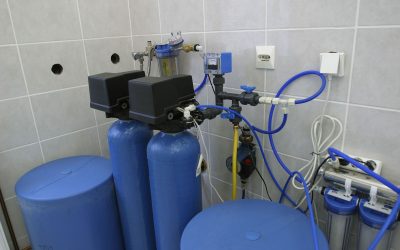
- Common solutions include water softeners, reverse osmosis, whole-home filtration, and UV disinfection, often combined for full coverage.
Homeowners searching for reliable Water Filtration in Great Falls, MT are usually responding to a specific problem: cloudy water, a mineral smell, scale buildup on fixtures, or test results flagging bacteria or sediment. Private well water in the Great Falls area draws from groundwater sources that can carry dissolved minerals, sediment, and occasionally microbial contamination, which makes targeted treatment more practical than a one-size-fits-all filter. Understanding what is actually in your water before buying equipment saves money and prevents installing a system that does not solve the real issue.
Private wells are not subject to federal drinking water oversight the way municipal systems are, so testing responsibility falls on the homeowner. The EPA’s guidance on private well contaminants notes that more than 15 million Americans use private wells as their main source of drinking water, and testing remains the only reliable way to confirm safety since many contaminants have no taste, color, or odor.
Why Water Quality Varies Across Great Falls Properties
Well water quality in and around Great Falls is shaped by local geology, well depth, and proximity to agricultural or livestock operations. Two homes a few miles apart can have very different water profiles.
- Hard water from dissolved calcium and magnesium, common in Montana groundwater
- Sediment or turbidity from shallow wells or aging casings
- Iron or manganese staining on fixtures and laundry
- Bacterial presence, particularly after flooding or well disturbance
- Unpleasant taste or odor from sulfur compounds or organic matter
A water test identifies which of these apply to a specific property, which is the starting point for any filtration recommendation.
Matching Filtration Systems to Common Problems
Different filtration technologies solve different problems, and most comprehensive setups combine more than one method rather than relying on a single device.
| System Type | Best For | Typical Placement |
| Water Softener | Hard water, scale buildup, soap inefficiency | Point of entry (whole house) |
| Reverse Osmosis | Dissolved solids, taste, drinking water purity | Point of use (kitchen tap) |
| Whole-Home Filtration | Sediment, chlorine taste, general impurities | Point of entry (whole house) |
| UV Disinfection | Bacteria and microbial contamination | Point of entry, post-filtration |
Softening and whole-home filtration are usually installed together because softeners address mineral hardness while filtration handles sediment and particulates. Reverse osmosis is typically added at the kitchen tap for drinking and cooking water, since it targets dissolved solids at a finer level than whole-house systems. UV disinfection is added when a water test confirms bacterial presence, since it neutralizes microorganisms without chemicals.
Steps for Choosing the Right System
Selecting equipment without data leads to over-spending or under-treating. A practical sequence looks like this:
- Test the water through a certified lab or qualified technician to identify specific contaminants.
- Review results against EPA guidance for acceptable levels of bacteria, nitrates, and dissolved solids.
- Match the findings to the appropriate system type, such as softening for hardness or UV for bacteria.
- Confirm system sizing fits household water usage and well output.
- Schedule periodic maintenance, including filter changes and softener salt refills.
Western Water Wells provides water testing and treatment recommendations tailored to household, farm, or ranch conditions. Their water treatment offerings include water softening, reverse osmosis systems, whole-home filtration, ultraviolet disinfection, and softener salt delivery for properties throughout the Great Falls service area.
Frequently Asked Questions
How do I know if my well water needs filtration? A water test is the only reliable way to confirm specific contaminants like hardness minerals, sediment, iron, or bacteria rather than relying on taste or appearance alone.
Can one filtration system handle all water problems? Most properties need a combination of treatments, such as a softener paired with whole-home filtration, since each technology targets different contaminants.
How often should well water be retested after installing a filtration system? Annual testing for bacteria and periodic testing for chemical contaminants is standard practice to confirm the system continues performing as expected.
Does hard water actually cause damage, or is it just a nuisance? Hard water mineral buildup can shorten the lifespan of water heaters, fixtures, and appliances over time, in addition to affecting soap performance and taste.
Choosing a filtration system for a Great Falls property starts with accurate testing, not assumptions about what “might” be in the water. Once results identify the actual contaminants, matching equipment becomes straightforward rather than guesswork. For households, farms, or ranches evaluating their options, working with a team familiar with local well conditions helps narrow down the right combination of softening, filtration, reverse osmosis, or disinfection equipment before any purchase is made.